
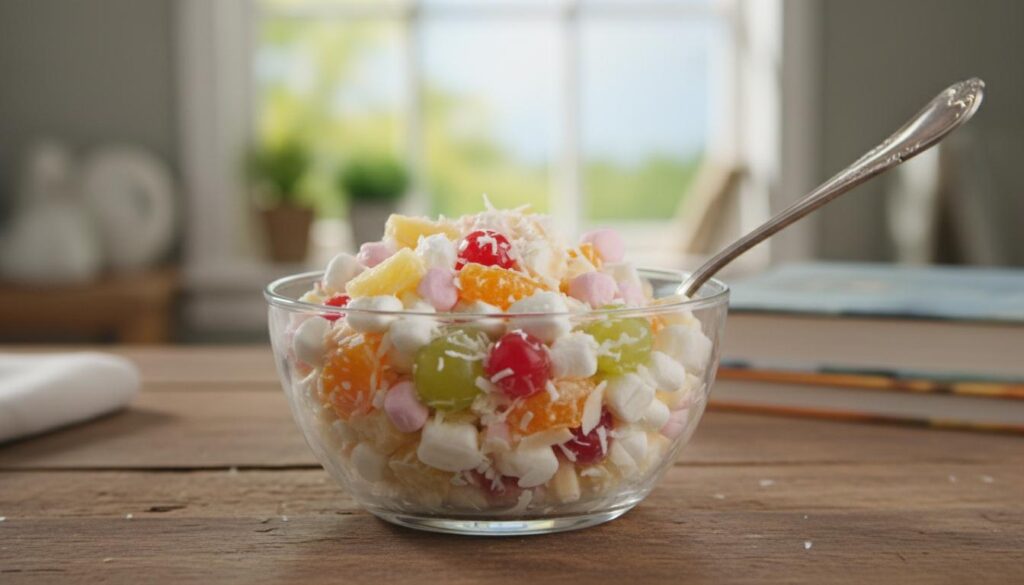
Ambrosia means different things depending on who you ask in New Zealand. It can be the creamy, fruit-packed dessert that turns up at potlucks and Christmas barbies. It can also be ragweed, an allergy-triggering plant you do not want in your garden. And in Greek myth, ambrosia is the food of the gods. This guide clears up the confusion and shows you what ambrosia is, how it works in each context, when it’s handy, and when it’s a headache.
What is
Ambrosia, in New Zealand food culture, is a chilled dessert made from whipped cream and yoghurt mixed with marshmallows and fresh or tinned fruit. It’s no-bake, crowd-friendly, and easy to tweak with seasonal produce like strawberries, kiwifruit, and feijoas.
Ambrosia is also the botanical name for ragweeds: a group of plants (genus Ambrosia) known for producing copious wind-borne pollen that can trigger hay fever and asthma. While not widespread here, ragweed is treated seriously by biosecurity and regional councils when found.
In mythology, ambrosia is the food (with nectar as the drink) of the Greek gods. Ancient texts link it with immortality, divine fragrance, and ritual purity.
How it works
In the kitchen
Ambrosia dessert holds together because fat, air, and gelatine create a light, spoonable texture:
- Whipped cream traps air, giving volume and a soft, mousse-like feel.
- Yoghurt adds mild tang and helps stabilise the mix.
- Marshmallows bring sweetness and soft chew; their gelatine helps the dessert set after chilling.
- Fruit adds juice, fibre, colour, and acidity. Draining tinned fruit stops the mixture turning watery.
Chilling in the fridge lets flavours meld and the texture firm. A few hours is good; overnight is better.
In the environment
Ragweed (Ambrosia spp.) spreads mainly by seed and affects people via pollen:
- Wind pollination: Ragweed produces huge amounts of fine pollen that travels long distances.
- Allergy trigger: Pollen proteins bind to IgE antibodies in sensitive people, prompting histamine release and symptoms like sneezing, itchy eyes, and wheeze.
- Seed spread: Contaminated soil, machinery, feed, and roadside disturbance help new plants establish.
Where ragweed grows, pollen levels often peak from late summer into autumn. Early removal is key to stopping seed set.
In myth and culture
Ambrosia in Greek literature works as a symbol more than a recipe. It marks out gods and heroes, signalling purity, power, and timelessness. Writers sometimes blur ambrosia (food) and nectar (drink), but both stand for the divine “otherness” beyond ordinary human life.
Types / examples
Ambrosia desserts you’ll see in NZ
- Classic Kiwi ambrosia: Whipped cream, Greek or berry yoghurt, mini marshmallows, strawberries or boysenberries, grated chocolate or desiccated coconut on top.
- Tropical twist: Coconut yoghurt, pineapple chunks (drained), mango, toasted coconut.
- Berry-forward: Mixed berries (fresh or frozen and thawed), vanilla yoghurt, a squeeze of lemon to sharpen the sweetness.
- Vegan version: Coconut cream (whipped) plus coconut yoghurt, plant-based marshmallows, fruit. Chill extra long to set.
- Lower-sugar: Unsweetened yoghurt, fewer marshmallows, lots of tart fruit like kiwifruit and feijoa.
Ambrosia plants (ragweed)
- Common ragweed (Ambrosia artemisiifolia): Usually knee-high to waist-high, deeply lobed leaves, green flower spikes, prolific pollen.
- Giant ragweed (Ambrosia trifida): Taller, big leaves with three lobes, similar allergy impact.
- Other ragweeds: Variations on the same theme—unshowy green flowers, wind pollen, and high seed output.
In New Zealand, ragweed is unwanted where found and should be reported to Biosecurity New Zealand or your regional council for advice and control.
Ambrosia in stories
- Homeric epics: Ambrosia nourishes and anoints gods.
- Later Greek writers: Ambrosia and nectar overlap as shorthand for immortal fare.
- Modern usage: “Ambrosial” simply means delicious or fragrant.
Pros and cons
Ambrosia dessert
- Pros: Quick to make, no oven, feeds a crowd, customisable to what’s in season or on special.
- Cons: Can be very sweet, not suitable for some dietary needs without swaps, needs refrigeration and a chilly bin if travelling.
Ambrosia plants (ragweed)
- Pros: Very few in a New Zealand context; some wildlife may eat seeds, but benefits are outweighed by allergy and spread risks.
- Cons: Triggers hay fever and asthma, invasive tendencies, hard to eradicate once established, seed bank persists.
Name confusion
- Pros: None.
- Cons: Searching “ambrosia” online can mix recipes with weed control and mythology. Use precise terms to save time.
How to use or choose
Make a classic New Zealand ambrosia (serves 8)
Ingredients:
- 300 ml cream (whipping cream)
- 500 g thick Greek or vanilla yoghurt
- 150–200 g mini marshmallows
- 3 cups fruit, chopped (e.g., strawberries, kiwifruit, seedless mandarins, drained pineapple)
- 1 tsp vanilla extract (optional)
- Grated dark chocolate or toasted coconut to finish (optional)
- Chill a large bowl and beaters. Whip the cream to soft peaks.
- Fold in the yoghurt and vanilla until smooth—don’t knock out the air.
- Add marshmallows and fruit. If using tinned fruit, drain very well. Fold gently.
- Spoon into a serving dish, level the top, and add grated chocolate or coconut.
- Cover and chill for at least 3 hours, or overnight for best texture.
- Serve cold. Keep leftovers in the fridge and eat within 24–36 hours.
Tips:
- For picnics, pack in a sealed container and transport in a chilly bin with ice packs.
- Balance sweetness by using plain yoghurt and tart fruit.
- For gluten-free or halal needs, check marshmallow and chocolate labels.
Spotting and managing ragweed (Ambrosia) in NZ
- Identification basics: Dull green, lobed leaves; green, tassel-like flower spikes; inconspicuous blooms; lots of fine pollen.
- If suspected: Do not compost or dump. Bag the plant (including roots if safe to remove), seal, and contact your regional council or Biosecurity New Zealand for next steps.
- Personal protection: Wear gloves, long sleeves, and a mask if pulling plants during flowering to minimise allergy exposure.
- Prevention: Clean soil from tools, boots, and machinery; use certified clean feed; monitor disturbed ground and roadsides.
Choose the right search terms
- For the dessert: “ambrosia dessert NZ recipe”, “Kiwi ambrosia yoghurt marshmallow”.
- For the plant: “ragweed New Zealand identification”, “Ambrosia artemisiifolia biosecurity NZ”.
- For mythology: “Greek ambrosia meaning”, “ambrosia vs nectar”.
Comparison at a glance
| Aspect | Ambrosia (dessert, NZ) | Ambrosia (ragweed plant) | Ambrosia (Greek myth) |
|---|---|---|---|
| What it is | Chilled mix of cream, yoghurt, marshmallows, fruit | Allergy-prone weeds in the genus Ambrosia | Food of the gods in ancient Greek lore |
| Where you’ll see it | BBQs, potlucks, Christmas tables | Disturbed sites, roadsides, contaminated soil (when present) | Literature, museums, classics courses |
| Impact on health | Indulgent treat; watch sugar and dairy | Pollen triggers hay fever and asthma | Symbolic of immortality (no real-world effect) |
| Seasonality | Popular in summer; fine year-round | Pollen peaks late summer–autumn where established | Timeless motif in texts |
| Handling | Refrigerate; serve chilled | Report, remove safely, do not compost | Read and enjoy |
| Good to know | Easy to adapt for dietary needs | Seeds persist; early action is crucial | Often paired with nectar in myths |
FAQ
Is ambrosia dessert originally from New Zealand?
A creamy fruit salad called ambrosia is popular in several countries. The New Zealand style commonly uses yoghurt, whipped cream, marshmallows, and local fruit. In the southern United States, ambrosia often features oranges and coconut without yoghurt.
Can I make ambrosia the day before?
Yes. Chill it overnight for the best set. Very juicy fruits can leach liquid, so drain tinned fruit and avoid overripe berries if making ahead.
Is ambrosia dessert gluten-free?
Often, yes—if the ingredients are gluten-free. Many marshmallows are gluten-free, but always check labels, especially for flavourings and chocolate add-ins.
How do I make vegan ambrosia?
Use whipped coconut cream plus coconut yoghurt, plant-based marshmallows, and fruit. Chill longer so it firms up.
Is ragweed (Ambrosia) established in New Zealand?
Ragweed is not common here. When plants are found, authorities treat them seriously to prevent spread. If you suspect ragweed, contact Biosecurity New Zealand or your regional council for advice on identification and removal.
What’s the difference between ambrosia and nectar in Greek myth?
Ambrosia is typically the food of the gods; nectar is the drink. Some texts blur the terms, but the idea is the same: divine sustenance set apart from human fare.
Can ragweed pollen travel far?
Yes. Ragweed is wind-pollinated and can release large amounts of fine pollen that drift over long distances, which is why early detection and control matter.
How do I stop ambrosia dessert from turning soupy?
Drain fruit well, use thick yoghurt, whip cream to soft peaks, fold gently, and chill for several hours. Avoid adding extra liquid sweeteners.
What fruits work best in Kiwi ambrosia?
Strawberries, blueberries, kiwifruit, seedless mandarins, and well-drained pineapple are reliable. Feijoa adds a very New Zealand flavour but use firm fruit to avoid excess juice.
Can I freeze ambrosia dessert?
No. Freezing breaks the emulsion and makes the fruit mushy. Keep it chilled and eat fresh.
More Stories
Glenfield Mall: A practical local guide to shops, parking, and smart ways to visit
Puffer jacket guide for New Zealand: warmth, weather, and the right fit
PB Tech Wellington: A Local’s Guide to Smart Tech Buying in the Capital