
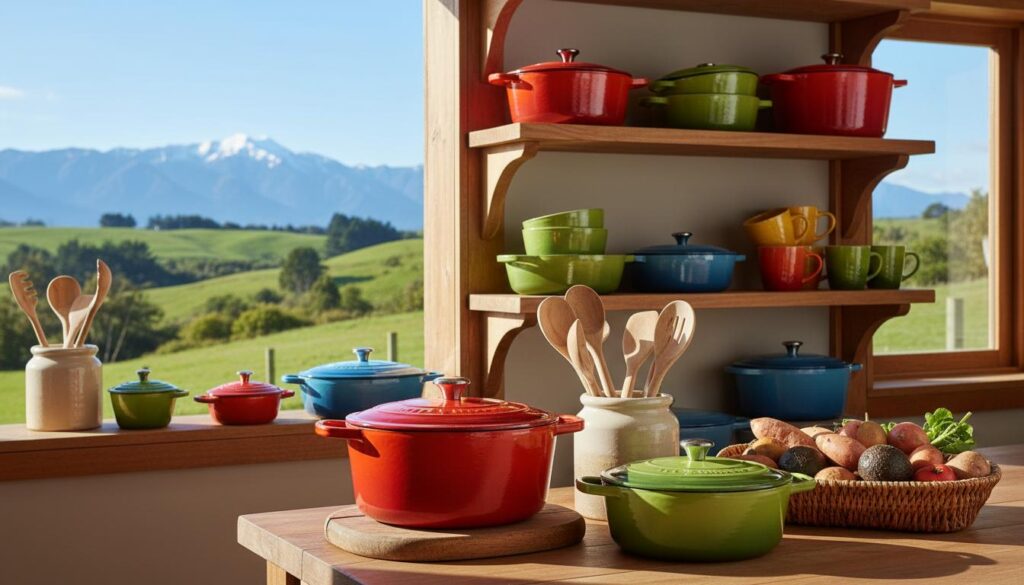
Thinking about upgrading your kitchen gear? If you’ve ever admired colourful, heirloom-quality pots that move from hob to oven to table without fuss, you’ve already met the idea behind Le Creuset. This guide focuses on le creuset nz: what it is, how the cookware works, which pieces suit New Zealand kitchens, and how to buy with confidence. You’ll also find a side‑by‑side comparison table, sizing tips, and practical care steps.
What is
Le Creuset is a French cookware brand founded in 1925, known first for enamelled cast iron made in its original foundry in Fresnoy‑le‑Grand. Over the decades it has expanded into stainless steel, non‑stick, and stoneware—all designed for even heat, strength, and everyday cooking comfort.
Le Creuset NZ refers to the official New Zealand distribution and retail of these ranges. You’ll see the same core products and most global colours here, with stock tailored to local demand. Expect the classics—Volcanic (orange), Cerise (red), Marseille (blue), Satin Black, and neutrals—plus seasonal releases that come and go.
In New Zealand, you can buy through the official Le Creuset NZ online store and authorised retailers nationwide. That matters for warranties, after‑sales support, and making sure you’re getting genuine pieces built to last.
How it works
Why enamelled cast iron is different
Cast iron holds heat like few materials can. Le Creuset coats it with a glass‑smooth enamel, so it won’t react with acidic foods, it cleans more easily than raw iron, and it never needs seasoning. The heavy base spreads heat evenly, so searing lamb shanks or simmering a slow ragù is predictable and steady. It shines on induction, gas, ceramic, and electric hobs, then goes straight into the oven.
Tri‑ply stainless steel engineering
Le Creuset’s stainless steel pans use a three‑layer sandwich: stainless inside and out, bonded around an aluminium core that runs up the walls. That means even heating, quick response when you adjust the dial, and a durable cooking surface for browning and deglazing.
Modern non‑stick
The brand’s toughened non‑stick pans use a hard‑anodised construction with a high‑performance, PFOA‑free non‑stick surface. They need less oil, release food easily, and are brilliant for eggs, pancakes, and delicate fish. They’re oven‑safe to typical baking temperatures and induction‑ready in current lines.
Stoneware for oven‑to‑table
High‑fired stoneware bakes evenly and retains heat for serving. Think lasagne, cobblers, crumbles, and gratins. The glazed surface resists stains and odours. Avoid thermal shock: don’t move frozen dishes straight into a hot oven.
Types / examples
Signature enamelled cast iron
- Round French (Dutch) oven: the all‑rounder for stews, sourdough, and broth. Common NZ kitchen sizes are 24 cm (about 4.2 L) and 26 cm (about 5.3 L).
- Oval French oven: ideal for lamb shoulder, whole chook, or longer cuts.
- Skillets and grills: for steaks, salmon, halloumi, and charred veg.
- Shallow casseroles: wide surface for reducing sauces and one‑pan bakes.
3‑ply stainless steel
- Saucepans with lids: silky custards, gravies, and porridge without hotspots.
- Sauté pans: browning plus enough wall height for saucy finishes.
- Stockpots: soups, boil‑ups, and batch cooking.
Toughened non‑stick
- Frypans: everyday eggs and stir‑fries with quick clean‑up.
- Woks and chef’s pans: fast, high‑movement cooking.
- Roasters and baking trays: easy release and light cleanup.
Stoneware
- Rectangular and square dishes: lasagne, tray bakes, roast veg.
- Ramekins and mini cocottes: chutneys, soufflés, and desserts.
- Mugs and jugs: heat‑retaining ceramics for tea and coffee.
Material comparison at a glance
| Range | Best for | Heat performance | Care | Oven use | Induction | Typical NZ use case |
|---|---|---|---|---|---|---|
| Enamelled Cast Iron | Searing, slow cooking, baking bread | Excellent retention and evenness | No seasoning; avoid metal scouring pads | Yes (check knob rating) | Yes | Winter stews, lamb shanks, sourdough |
| 3‑Ply Stainless Steel | Sauces, sautéing, boiling | Fast, responsive, even | Soak and scrub as needed | Yes | Yes | Weeknight pastas, gravies, porridge |
| Toughened Non‑Stick | Eggs, pancakes, delicate fish | Quick heat, easy release | No metal tools; soft sponges | Yes (follow model limits) | Yes | Everyday fry‑ups, crispy‑skin fish |
| Stoneware | Baking, roasting, serving | Even baking, gentle browning | Avoid thermal shock | Yes | N/A (not for stovetops) | Roast kumara, crumbles, gratins |
Pros and cons
Pros
- Serious durability: many pieces last decades and can be handed down.
- Even cooking: fewer hotspots, better browning, stable simmering.
- Cooktop flexibility: induction, gas, ceramic, and electric friendly.
- Oven‑to‑table design: cookware doubles as serveware.
- Colour choice: fit modern or classic NZ kitchens without compromise.
- After‑sales support: strong global reputation and local presence.
Cons
- Price: premium upfront cost compared with mass‑market pans.
- Weight: cast iron is heavy; consider storage and handling.
- Enamel can chip if dropped or scraped with hard edges.
- Preheat patience: cast iron prefers gradual heat, not blasts.
How to use or choose
Step‑by‑step: first cook with enamelled cast iron
- Rinse and dry the pot, then lightly oil the rim where there’s no enamel.
- Preheat on low to medium for 2–3 minutes; avoid empty high heat.
- Add a thin film of oil, then ingredients. Let food sear without nudging too soon.
- For oven finishes, fit the correct knob (phenolic up to about 260°C; metal handles tolerate higher). Check your specific model’s rating.
- Cool before washing. Warm water, mild detergent, and a soft brush usually do it.
Choosing the right size and piece
Pick the workhorse you’ll use three times a week. For most Kiwi households, that’s a round French oven plus a frypan. Consider your hob, storage, and what you actually cook.
Round French oven sizing guide
| Diameter | Approx. Capacity | Servings | Great for |
|---|---|---|---|
| 22 cm | 3.3 L | 2–3 | Soups, rice, small loaves |
| 24 cm | 4.2 L | 3–5 | Family stews, curries, hotpots |
| 26 cm | 5.3 L | 4–6 | Lamb shanks, larger sourdough |
| 28 cm | 6.7 L | 6–8 | Batch cooking, entertaining |
Quick tips for New Zealand kitchens
- Induction users: all current cast iron, stainless, and most non‑stick lines are induction‑ready.
- Gas users: keep flames within the base; overspill can scorch enamel.
- Apartment living: a 24 cm round oven plus a 28 cm non‑stick frypan covers most meals.
- Bakers: cast iron Dutch ovens create excellent steam for crusty bread.
- Colour strategy: pick one hero colour and build around neutrals to dodge decision fatigue.
Buying in New Zealand: getting value
- Shop authorised: use the official le creuset nz website and recognised retailers for genuine stock and valid warranty.
- Watch seasonal promos: colour launches, end‑of‑season offers, and gift sets can sharpen pricing.
- Match lids and bases: stay within the same size family to avoid wobble or steam leaks.
- Check warranty terms locally: cast iron and stainless often carry lifetime limited warranties; stoneware often has a 10‑year term; many non‑stick pans have lifetime coverage. Confirm current NZ terms on the official site.
FAQ
Is Le Creuset worth it in NZ?
If you cook often and want gear that performs for decades, yes. The build quality, heat control, and service support justify the price for many households.
Does enamelled cast iron need seasoning?
No. The enamel is non‑reactive and ready to use from day one. A light oil film improves searing.
Is it induction compatible?
Yes. Cast iron, 3‑ply stainless, and current non‑stick lines work on induction. Stoneware is for ovens only.
What oven temperatures are safe?
Most cookware pieces are oven‑safe to typical home‑baking temperatures. Phenolic knobs are commonly safe up to about 260°C; stainless knobs allow higher. Always check your specific product guidance.
Can I use metal utensils?
Use wooden, silicone, or heat‑resistant plastic to protect enamel and non‑stick. Stainless steel utensils are fine on stainless cookware.
Dishwasher or hand wash?
Many items are dishwasher‑safe, but hand washing preserves the finish and keeps colours bright. Non‑stick particularly benefits from gentle hand care.
How do I deal with stuck‑on food?
Soak with warm water and a splash of dish soap. For stubborn marks on enamel, a paste of baking soda and water or a non‑scratch cleaner helps. Avoid steel wool.
What if the enamel chips?
Small exterior chips are usually cosmetic; interior chips can expose iron and may require assessment. Contact le creuset nz support or your retailer for advice under the warranty policy.
Can I use Le Creuset on a BBQ?
Cast iron pieces can be used on a stable grill with controlled heat. Avoid direct contact with flames or coals, and preheat gradually. Check your manual for specifics.
Why do NZ prices vary from overseas?
Shipping, taxes, and local support affect pricing. Shopping authorised NZ channels ensures genuine products, local compliance, and warranty coverage.
How it works in everyday NZ cooking
For weeknights, a 24 cm French oven handles mince‑based sauces, dhal, or a vegetable curry. On weekends, the same pot slow‑cooks pork shoulder or makes a big batch of chowder. A non‑stick frypan covers eggs, crepes, and quick stir‑fries, while a stainless saucepan gives you precise control for custard or cheese sauce.
Stoneware steps in for roast veg and apple‑feijoa crumble, holding heat on the table so seconds stay warm. The colours do the rest—inviting, bright, and ready for a family table or a potluck with friends.
Final buying checklist
- Start with one: a 24 or 26 cm round French oven is the most versatile entry.
- Add a 28 cm non‑stick frypan for eggs and delicate food.
- Round it out with a 3‑ply stainless saucepan for sauces and grains.
- Pick a stoneware baker sized to your oven racks.
- Buy from authorised le creuset nz channels and keep your receipt for warranty.
Great cookware won’t cook for you, but it does make good habits easy: even heat, fewer missed steps, and nicer results with less stress. If that sounds like the kitchen you want, le creuset nz is a smart, long‑term way to build it—one hardworking piece at a time.
More Stories
Glenfield Mall: A practical local guide to shops, parking, and smart ways to visit
Puffer jacket guide for New Zealand: warmth, weather, and the right fit
PB Tech Wellington: A Local’s Guide to Smart Tech Buying in the Capital