
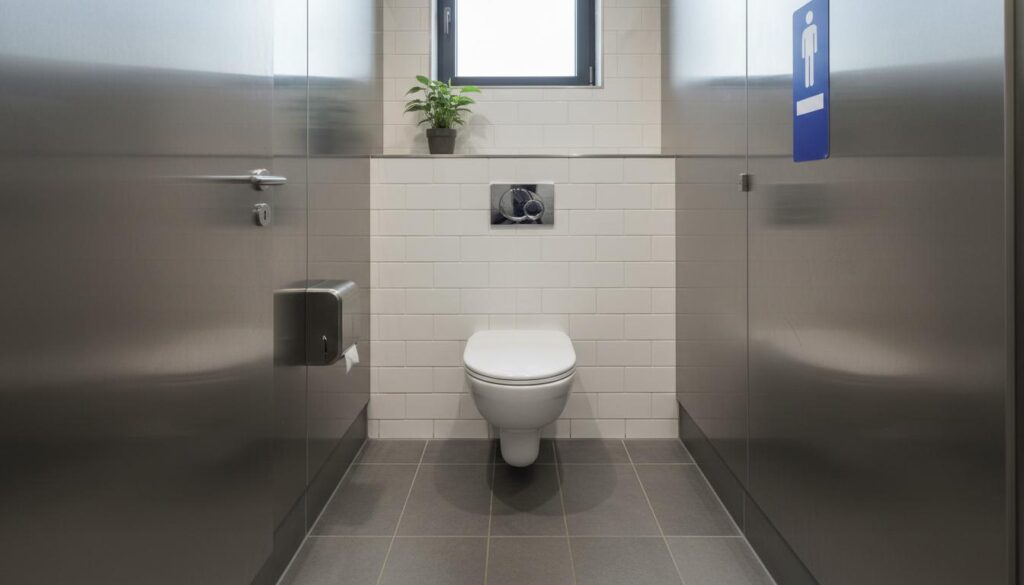
When you need a toilet near me, you need it fast. Whether you’re chasing the kids along an Auckland beach, driving the Desert Road, or tramping in the Southern Alps, there are reliable ways to find a nearby loo without stress. This guide shows you how to locate public toilets across New Zealand, what types to expect, how to choose the best option for your needs, and the small details—like accessibility and opening hours—that make a big difference.
What is
Toilet near me is the go-to search people use on their phone to find the closest bathroom quickly. In New Zealand, that usually means council-run public toilets, facilities at parks and beaches, loos at transport hubs and shopping centres, and, in the backcountry, long-drops or composting toilets at huts and trailheads. You may also hear wharepaku—the common Te Reo Māori term for toilet—especially on council signs and DOC tracks.
Most public toilets in New Zealand are free, clearly signposted, and reasonably well maintained. Many offer accessible cubicles, baby change tables, and sometimes touchless fixtures and drinking fountains nearby.
How it works
Finding a toilet near me is a simple mix of location services and trusted sources:
- Your phone’s GPS pins where you are.
- A maps app or toilet finder app searches for the nearest facilities.
- You check details like opening hours, accessibility, and reviews before you go.
Data comes from councils, the Department of Conservation (DOC), operators like malls and service stations, and crowdsourced updates from other users. Coverage is strongest in cities and towns, but you’ll also find facilities at many rural reserves, beaches, and popular tramping areas.
Step-by-step: the fastest way to find a toilet near me
- Open your preferred maps app (Google Maps or Apple Maps).
- Type “toilet near me” or “public toilet” (you can also try “wharepaku”).
- Tap the closest option and check:
- Open now (24/7 vs. set hours)
- Accessible toilet available
- Baby change facilities
- Recent reviews for cleanliness and safety
- Start navigation and look for blue-and-white toilet signs as you approach.
- No signal? Switch to an offline-capable app or follow roadside/council signage to parks, beaches, or town centres.
Types / examples
You’ll encounter different kinds of facilities across Aotearoa New Zealand. Knowing what to expect helps you choose wisely when you search for a toilet near me.
Urban public toilets (council-managed)
Common in CBDs, parks, playgrounds, train and bus stations, and popular beaches. Many are modern blocks with accessible cubicles, sensor taps, and baby change tables. Hours vary: some are 24/7; others lock overnight.
Shopping centres and supermarkets
Malls and larger supermarkets typically provide clean, well-maintained toilets during trading hours. These are a dependable option in suburbs and town centres. Look for signs near food courts or customer service.
Service stations and cafés
Most petrol stations offer customer toilets, often accessible and open late. In busy urban areas, some cafés prefer toilets for patrons only; it’s polite to ask or buy a drink if you need to use theirs.
Parks, reserves, and beaches
Coastal and lakeside spots usually have toilets near carparks or playgrounds. Facilities range from modern flush blocks to basic long-drops. Bring hand sanitiser in case soap or water has run out.
DOC trailheads, huts, and campsites
On popular tramps, expect long-drop or composting toilets at huts and many carparks. Water for handwashing may be limited, and lighting is usually natural daylight only. Always follow Leave No Trace if toilets are not available and local rules allow.
Event and temporary toilets
At festivals or sports events, you’ll find portable loos. Quality varies; queues are common. Check event maps or signs for accessible units and baby change areas.
Comparison: ways to find a toilet near me
| Tool | Coverage in NZ | Offline support | Accessibility info | Reviews/ratings | Best for |
|---|---|---|---|---|---|
| Google Maps | Excellent in cities/towns; good in rural areas | Yes, with offline maps | Often listed, varies by place | Yes | Everyday use, fast search “toilet near me” |
| Apple Maps | Strong in urban areas | Yes, with downloaded maps | Basic details | Limited | iPhone users wanting simplicity |
| CamperMate | Very strong for toilets, camps, dump stations | Yes (download regions) | Often includes icons/notes | Yes, community-driven | Road trips, freedom camping, regional travel |
| Flush Toilet Finder | Good in major centres; mixed rural coverage | Varies by version | Basic | Yes | Quick dedicated toilet search |
| Council websites/maps | Accurate locally | No (web-based) | Usually detailed | No | Planning ahead in specific cities/districts |
| DOC site/track pages | Tracks, huts, and carparks | No (web-based) | Basic (type of loo) | No | Tramping and outdoor trips |
Pros and cons
Using maps and apps
- Pros: rapid results, navigation, opening hours, and reviews at a glance; offline options if you plan ahead.
- Cons: coverage can be patchy in remote spots; details may be out of date if not recently reviewed.
Council and DOC information
- Pros: authoritative source; good for planning routes.
- Cons: slower to access on the go; not all sites have live status or hours.
Service stations and private venues
- Pros: often cleaner, well-lit, with staff nearby; extended hours.
- Cons: may be for customers only; queues at peak times; not every rural station has an accessible toilet.
Portable and remote toilets
- Pros: positioned where they’re needed; better than nothing in a pinch.
- Cons: limited water, variable cleanliness, may lack lighting or baby change facilities.
How to use or choose
Choosing the best option when you search “toilet near me”
- Check hours: prefer 24/7 if it’s late or an early start.
- Look for “accessible” or wheelchair symbols if needed; confirm step-free entry and space to turn.
- Travelling with kids? Filter for family rooms or baby change icons.
- Read the most recent reviews for cleanliness and safety notes.
- In rural areas, favour named parks, beaches, or DOC carparks—more likely to have permanent facilities.
Planning ahead (especially outside cities)
- Download offline maps for your region.
- Save a few likely stops along your route.
- Carry hand sanitiser and tissues in case soap or paper has run out.
- If you’re freedom camping, note dump stations for cassette toilets and follow local rules.
Etiquette and practical tips
- Respect “customers only” signs; a polite ask often works, and buying a small item helps.
- Leave the space tidy—bin rubbish, flush properly, report issues to the operator or council.
- On DOC land, use provided toilets. If none exist and local rules allow, follow Leave No Trace (bury human waste well away from water, tracks, and campsites, and pack out toilet paper where required).
- For accessibility: doors and pathways can vary—if in doubt, call the venue or check recent photos in map listings.
Safety and hygiene at night
- Favour well-lit locations with foot traffic—service stations, transport hubs, or busy parks.
- Share live location with a trusted contact if walking at night.
- Keep valuables close and avoid isolated blocks if something feels off.
FAQ
Are public toilets in New Zealand free?
Yes, most public toilets across Aotearoa New Zealand are free. Some privately operated facilities (e.g., in tourist hotspots) may restrict access to customers during certain hours.
What should I search—“toilet near me” or “public toilet”?
Both work. Try “toilet near me,” “public toilet,” or “wharepaku.” In malls and stations, search the venue name plus “toilet.” For outdoor spots, add “park,” “beach,” or “DOC.”
How do I find accessible toilets?
Use map filters and look for accessibility icons or “accessible toilet” in the listing. Many council blocks include accessible cubicles. When precision matters, call the venue or check recent user photos and reviews.
Where can I find baby change facilities?
Malls, larger supermarkets, libraries, museums, and many council toilets provide baby change tables. Search “parent room” or “baby change” alongside “toilet near me.”
Are toilets open 24/7?
Some are, especially in city centres and major parks. Others are locked overnight. Always check hours in your maps app before setting off late at night or early morning.
What’s a long-drop toilet?
A long-drop is a non-flush toilet with a deep pit, common at huts and remote sites. Bring hand sanitiser and a torch at night. Close the lid to reduce odours and pests.
Can I use a café or service station toilet without buying anything?
It depends on the venue. Many service stations allow it, especially on highways. In busy city spots, cafés may restrict access. Asking politely—and buying something small—usually helps.
How do I report a problem with a public toilet?
Most councils have a phone number or online form for maintenance issues. You can also leave a factual review in your maps app to alert other users.
What if I have no mobile coverage?
Use offline maps you’ve downloaded, follow roadside toilet/wharepaku signs, or head for town centres, parks, and DOC carparks where toilets are commonly located.
Is bathroom tap water safe to drink?
In towns and cities, tap water is generally safe unless there’s a local notice. At huts and campsites, always check signs—water may need boiling or treating.
I’m travelling in a self-contained vehicle. Any tips?
Use dump stations for cassette toilets and follow the local bylaws where you stop. Apps like CamperMate list dump stations and toilets alongside campsites.
Quick checklist: make “toilet near me” work every time
- Keep one reliable maps app on your home screen.
- Download offline maps before rural trips.
- Save a few councils’ facility pages if you travel regionally.
- Carry small essentials: tissues, sanitiser, a torch for night stops.
- Leave facilities as you’d like to find them.
Bottom line
When nature calls, searching toilet near me should take seconds, not minutes. Use your maps app for quick results, keep an offline-capable option ready for rural stretches, and know the likely locations—parks, beaches, service stations, town centres, and DOC sites. With a little planning and a few good habits, you’ll always know where the nearest wharepaku is, from Kaitaia to Bluff.
More Stories
Glenfield Mall: A practical local guide to shops, parking, and smart ways to visit
Puffer jacket guide for New Zealand: warmth, weather, and the right fit
PB Tech Wellington: A Local’s Guide to Smart Tech Buying in the Capital