
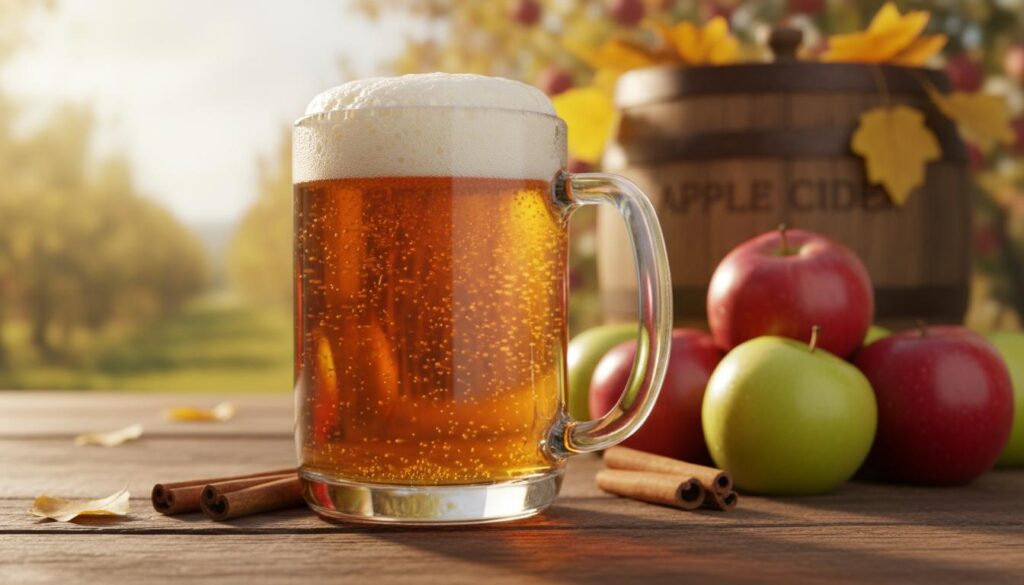
Cider has gone from a summer afterthought to a year-round favourite across New Zealand. Crisp, aromatic, and naturally gluten-free, it sits somewhere between beer and wine while keeping its own character. In this guide you’ll learn what cider is, how it’s made, the main styles you’ll find in NZ, how to choose a good bottle or can, and the pros and cons to keep in mind. There’s also a handy comparison table, step-by-step tips, and a quick FAQ for fast answers.
What is
Cider is an alcoholic drink made by fermenting apple juice. Yeast eats the natural sugars in apples and turns them into alcohol and carbon dioxide. That’s the heart of it. No hops are required, and grains aren’t part of the recipe, which is why cider is usually gluten-free. Alcohol levels typically range from 4% to 8% ABV, but you’ll also find low- and zero-alcohol options.
The flavour of cider depends on apple varieties, fermentation methods, sweetness level, and whether it’s still or sparkling. Some ciders taste bright and juicy, others are dry with tannins and spice. Pear-based versions exist too—traditionally called “perry.” In New Zealand, you’ll also spot fruit ciders flavoured with local favourites like feijoa, berry, or passionfruit.
How it works
While techniques vary from garage projects to modern canning lines, the process follows a few core steps:
- Apples are picked, sorted, and washed. Cider makers may blend dessert apples (for aroma) with cider apples (for tannin and bite).
- Fruit is milled (crushed) and pressed. The juice, called “must,” is collected and often clarified.
- Yeast is added. Fermentation kicks off, converting sugars to alcohol and creating flavour compounds.
- Racking and maturation. The cider is moved off sediment and allowed to rest, which smooths edges and develops depth.
- Sweetness is adjusted if desired. Some makers stop fermentation early or blend fresh juice; others add a little sugar.
- Carbonation. Cider can be bottle-conditioned (natural bubbles), force-carbonated (like beer), or left still.
- Packaging. Bottles, cans, or kegs—ready for your fridge or a sunny picnic in the park.
Variations include malolactic fermentation (softens sharp acidity), oak ageing (adds spice and structure), and keeving (a traditional method for naturally sweet ciders). Non-alcoholic cider is made by halting fermentation early or removing alcohol later, aiming to keep fruit character without the buzz.
Types / examples
By sweetness and structure
- Dry cider: Little to no residual sugar; crisp, sometimes tannic. Great for seafood and roast chicken.
- Medium: Balanced sweetness and acidity; approachable and versatile.
- Sweet: Juicy and fruit-forward; easy-drinking but higher in sugar.
By style
- Traditional/farmhouse: Often still or softly sparkling, with complex apple character and tannins.
- Modern/New World: Bright, aromatic, carbonated; made from eating apples with clean fermentation.
- Hopped cider: Dry cider infused with hops for citrus and floral notes, without beer bitterness.
- Rosé cider: Pink hue from red-fleshed apples or grape/berry additions; light and refreshing.
- Pét-nat/cider fermented in bottle: Naturally sparkling with a rustic, hazy look.
- Perry (pear cider): Floral and silky; lighter tannins and gentle acidity.
- Fruit ciders: Apple base with added fruit like feijoa, plum, berry, or passionfruit.
Examples you’ll see in NZ
- Hawke’s Bay producers focusing on clean, aromatic, sunshine-ready cider.
- Nelson/Tasman cidermakers known for orchard-based, traditional-leaning styles with character.
- Craft breweries that also make cider—often fruit-forward, canned, and great for casual drinking.
- Big-brand options widely available in supermarkets, ranging from classic apple to sweet fruit blends.
Local names to look out for include regional orchard-based producers from Hawke’s Bay and Nelson/Tasman, alongside nationwide brands offering crisp apple, hopped, and fruit-led ciders. Explore your bottle store’s New Zealand section; you’ll find both traditional and modern takes.
Pros and cons
- Pros:
- Naturally gluten-free in most cases.
- Wide flavour range—from bone dry to dessert-like.
- Pairs with Kiwi staples: fish and chips, pork belly, curries, and cheeses.
- Lower bitterness than many beers; crowd-pleasing for mixed groups.
- Great with summer BBQs and also cosy winter braises.
- Cons:
- Sweet ciders can carry more sugar and calories.
- Some mass-market versions rely on concentrate and added flavourings.
- Sulphites may be present (check labels if sensitive).
- Acidity and sugar can be rough on teeth if sipped all day.
- Alcohol content varies; easy drinking can lead to over-pouring.
How to use or choose
Reading the label
- Ingredients: “Apple juice” or “100% apple” suggests a fruit-first approach; “from concentrate” isn’t always bad, but fresh-pressed often brings more nuance.
- Sweetness cues: Look for “dry,” “medium,” or “sweet.” If there’s a sugar per 100 ml figure, aim lower for a crisper style.
- ABV: 4–6% is everyday session territory; higher ABV can be richer and more wine-like.
- Origin: Orchard-based or region-specific notes (Hawke’s Bay, Nelson/Tasman) often signal distinctive fruit character.
Serving and storage
- Temperature: Serve most cider at 6–10°C; drier, tannic cider can go slightly warmer (10–12°C) for aroma.
- Glassware: A wine glass or tulip helps capture aroma; pints are fine for casual styles.
- Cellaring: Fresh, fruity cider is best young. Traditional, dry, tannic cider may age 1–3 years—store cool and dark.
- After opening: Keep in the fridge and drink within 2–3 days for best fizz and freshness.
Food pairing tips (NZ edition)
- Crisp dry cider + fish and chips, green-lipped mussels, grilled snapper.
- Medium cider + pork belly, roast chicken, Kumara wedges, mild curries.
- Sweet or fruit cider + spicy takeaways, blue cheese, pavlova with berries.
- Perry + soft cheeses, salads, and lighter seafood dishes.
Quick comparison of cider styles
| Style | Typical Sweetness | Usual ABV | Taste and Texture | Great With |
|---|---|---|---|---|
| Dry apple cider | Low | 5–7% | Crisp, tannic bite, clean finish | Seafood, roast chicken, hard cheese |
| Medium apple cider | Medium | 4.5–6.5% | Balanced acidity and gentle sweetness | Pork dishes, salads, mild curries |
| Sweet/fruit cider | High | 4–5.5% | Juicy, aromatic, approachable | Spicy foods, dessert, blue cheese |
| Perry (pear cider) | Low–Medium | 4–7% | Floral, silky, low tannin | Soft cheeses, light fish, vegetables |
| Hopped cider | Low–Medium | 4.5–6.5% | Citrus-hop aroma, snappy finish | Tacos, burgers, chips and dip |
Step-by-step: a simple way to choose cider you’ll enjoy
- Decide sweetness: dry if you like Sauvignon Blanc or gin-and-tonic crispness; sweet if you prefer lemonade-like refreshment.
- Pick a style: classic apple for purity, hopped for extra aroma, fruit for fun and flavour.
- Scan ABV: for casual sessions, stick around 4–5.5%; for dinner pairings, 6–7% brings more body.
- Check the ingredients: fresh juice and minimal additives point to more apple character.
- Start local: try a New Zealand orchard-based producer to understand regional fruit.
- Taste side-by-side: compare two small cans or bottles to map what you prefer.
- Note your picks: dry vs medium, apple vs fruit—then explore deeper in that lane.
Cooking with cider
- Use dry cider in pork and chicken braises for brightness without heavy sweetness.
- Deglaze pans after searing sausages or mushrooms; finish with butter and herbs.
- Swap part of beer for cider in batter for a lighter, fruit-kissed crunch.
- Reduce cider with shallots for a quick pan sauce; finish with crème fraîche.
Note: Cider vinegar is a different product—made by further fermenting cider into acetic acid. It’s brilliant in dressings and marinades, but it’s not the same as the drink in your glass.
FAQ
Is cider gluten-free?
Yes, most cider is naturally gluten-free because it’s made from apples, not grains. Always check labels if you’re highly sensitive, as cross-contact can occur in mixed facilities.
What’s the difference between cider and apple juice?
Apple juice is unfermented and non-alcoholic. Cider is fermented, which creates alcohol and a dryer, more complex flavour profile. Some ciders are sweet, but the sweetness is balanced by acidity and fermentation character.
Is cider more like beer or wine?
It’s closer to wine in how it’s made (fermented fruit juice), but it’s often carbonated and served cold like beer. Think of it as its own lane.
How many calories are in cider?
It varies by sweetness and ABV. As a rough guide, a 330 ml can at 5% ABV might sit around 150–200 kcal. Dry ciders tend to be lower; sweet and fruit ciders higher. Check the nutrition panel if available.
What temperature should I serve cider?
Most ciders show best at 6–10°C. Drier, more structured styles can open up at 10–12°C. Over-chilling mutes aroma; room temperature can feel flabby.
How long does cider last after opening?
Refrigerate and drink within 2–3 days. Sparkle fades quickly once opened.
Does New Zealand make good cider?
Yes. New Zealand’s orchard regions produce excellent apples and pears, and you’ll find both crisp, modern styles and characterful, traditional ciders made locally. Explore Hawke’s Bay and Nelson/Tasman producers for standout bottles.
What about alcohol-free cider?
Non-alcoholic versions are increasingly available in supermarkets and bottle stores. Expect bright apple flavour with low bitterness—great for daytime or designated-driver situations.
Any quick tips for a tasting at home?
Line up three styles (dry apple, medium apple, and one fruit cider). Chill to 7–9°C. Pour into small wine glasses. Taste lightest to richest, and note which you’d pair with dinner vs a beach afternoon.
Final sip
Cider in New Zealand has range: beach-ready cans, dinner-table bottles, and orchard-driven gems with depth. Learn what you like—dry vs sweet, apple-pure vs fruit-forward—then buy with confidence. Whether you’re pairing with snapper and chips, a winter roast, or a Friday backyard barbecue, there’s a cider that fits the moment.
More Stories
Glenfield Mall: A practical local guide to shops, parking, and smart ways to visit
Puffer jacket guide for New Zealand: warmth, weather, and the right fit
PB Tech Wellington: A Local’s Guide to Smart Tech Buying in the Capital