
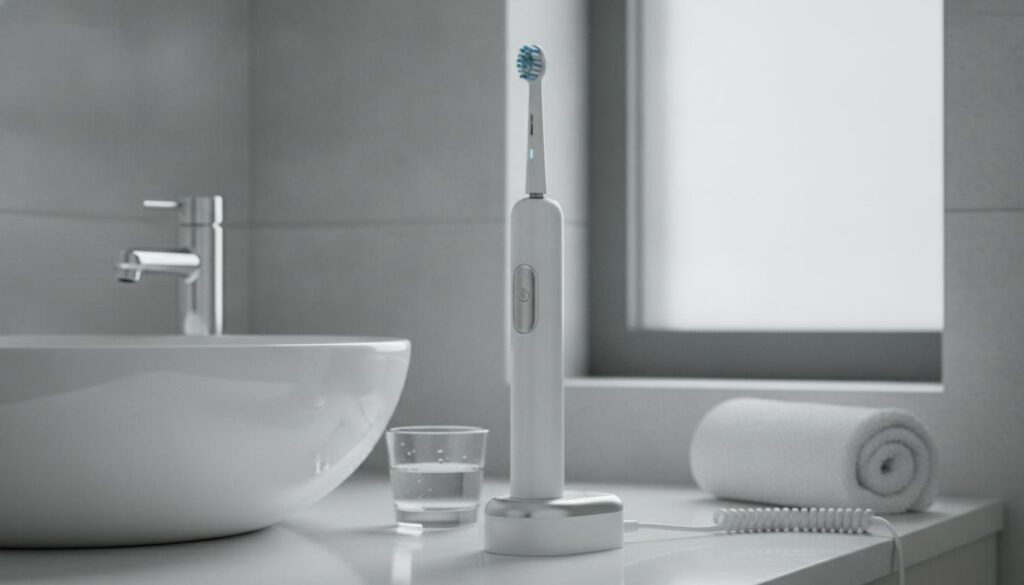
If you’ve wondered whether an electric toothbrush is worth it, you’re not alone. Kiwis are switching for cleaner teeth, easier brushing, and helpful features like timers and pressure control. This guide explains what an electric toothbrush is, how it works, the main types in New Zealand, real pros and cons, how to use it properly, and how to choose the right one for your mouth and budget.
What is
An electric toothbrush is a powered toothbrush that moves the brush head for you—either with oscillating-rotating action, sonic vibrations, or other motion. Instead of scrubbing by hand, you gently guide the head along your teeth and gums while the device does the cleaning. Most models are rechargeable; some use replaceable batteries. The goal is consistent, effective plaque removal with less effort.
For New Zealanders, an electric toothbrush can be especially handy for busy routines, people with braces, or anyone who struggles to brush for a full two minutes with the right technique.
How it works
Electric toothbrushes use a small motor to move the brush head rapidly. Two common methods do the heavy lifting:
- Oscillating-rotating: A round head rotates back and forth, sometimes with added pulsations to disrupt plaque.
- Sonic: A longer, oval head vibrates at high speed, creating sweeping motions and fluid dynamics to help move plaque from the gumline and between teeth.
What you feel is a fast, consistent motion that’s hard to match manually. Many models add a two-minute timer (often with 30-second quadrant alerts) to keep you brushing long enough. Pressure sensors warn you if you’re pressing too hard, which helps protect gums and enamel. Some premium brushes include multiple modes (such as daily clean, sensitive, gum care, or whitening), smartphone connectivity for coaching, and travel cases for on-the-go charging.
Under the hood, most rechargeable handles use inductive or magnetic charging. Battery life varies from a week to several weeks, depending on model and brushing time. Water resistance is common, often rated for safe rinsing at the sink.
Types / examples
Core categories
- Oscillating-rotating electric toothbrush: Round head, strong mechanical action, popular for focused cleaning around each tooth.
- Sonic toothbrush: Long head with high-frequency vibrations, known for sweeping motion that’s gentle and thorough when used correctly.
- Battery-powered (disposable handle): Lower price, uses AA/AAA batteries; convenient but less powerful and less sustainable than rechargeable.
- Kids’ electric toothbrush: Smaller heads, softer bristles, fun designs, and timers to build good habits.
- Travel or compact brushes: Slim handles, protective caps, and USB charging in some cases.
Common examples on NZ shelves
You’ll typically find oscillating-rotating options (e.g., Oral-B styles) and sonic options (e.g., Philips Sonicare styles) in New Zealand pharmacies, supermarkets, and electronics stores. Entry-level models cover the basics (timer and a single mode). Mid-range adds pressure control and extra modes. Premium lines may include app coaching, advanced gum care, and long battery life.
Quick comparison table
| Type | Cleaning action | Noise | Typical NZ price | Battery life | Brush heads (NZ availability) | Best for |
|---|---|---|---|---|---|---|
| Oscillating-rotating (rechargeable) | Round head rotates/pulses around each tooth | Moderate | $70–$300+ | 1–2 weeks | Easy to find in supermarkets and pharmacies | Targeted cleaning, braces, people who like a “polished” feel |
| Sonic (rechargeable) | High-frequency vibrations with sweeping motion | Quieter hum | $90–$400+ | 2–4+ weeks | Widely available, multipacks online | Gentle gumline care, people sensitive to noise/pressure |
| Battery-powered (AA/AAA) | Basic vibration/rotation | Low–moderate | $20–$60 | Depends on battery | Common, but fewer head options | Budget, travel, occasional use |
| Kids’ electric toothbrush | Softer bristles, gentler motion | Low | $25–$120 | 1–2 weeks (rechargeable) | Available at major retailers | Small mouths, building habits with a timer |
Pros and cons
Pros
- Consistent motion that many people find removes plaque more effectively than a manual brush when used correctly.
- Built-in two-minute timers and pacing alerts to improve brushing time and coverage.
- Pressure sensors to reduce overbrushing and gum irritation.
- Helpful for limited dexterity, braces, implants, and hard-to-reach areas.
- Replaceable heads mean you keep the handle and cut down waste vs fully disposable brushes.
Cons
- Higher upfront cost, especially for premium models.
- Requires charging or battery changes.
- More parts to keep clean (handle, charger, brush head base).
- Noise and vibration can feel odd at first.
- Replacement heads add ongoing cost—budget for them from the start.
How to use or choose
How to use an electric toothbrush (step-by-step)
- Charge the handle: Ensure enough battery for a full two-minute session.
- Fit a fresh head: Use the correct head for your model; click it on firmly.
- Add fluoride toothpaste: A pea-sized amount is plenty.
- Set the mode: Start with “daily clean” or “sensitive” if you’re new to power brushing.
- Angle the head: Place bristles at about 45° to the gumline.
- Guide, don’t scrub: Turn it on in your mouth to avoid splatter. Gently move from tooth to tooth; let the brush do the work.
- Follow the timer: Spend ~30 seconds per quadrant. Use light pressure; stop if the sensor alerts.
- Cover all surfaces: Outer, inner, and chewing surfaces; lightly sweep along the gumline.
- Rinse and air-dry: Rinse the head and handle. Store the brush upright to dry.
- Replace the head: Change every 3 months, or sooner if bristles splay or after illness.
How to choose the best electric toothbrush for you
- Mouth needs:
- Sensitive gums or recession: Look for soft bristles, sensitive/gum care modes, and a pressure sensor.
- Braces or orthodontic work: Consider a model with a smaller head or orthodontic-specific heads for precise cleaning.
- Stain-prone or heavy plaque: Timers, quadrant pacing, and heads designed for plaque or surface stains can help alongside regular dental care.
- Motion type:
- Oscillating-rotating: Feels like polishing each tooth; some prefer its targeted feel.
- Sonic: A sweeping, gentler sensation; often quieter with longer battery life.
- Battery and charging:
- Rechargeable handles are convenient and cost-effective over time.
- Check charger compatibility for travel. NZ uses 230V, 50Hz power and Type I plugs; most chargers are multi-voltage, but overseas you may need an adaptor.
- Brush heads and cost:
- Confirm you can buy compatible heads easily in NZ—at supermarkets, pharmacies, or online.
- Price heads per year (3–4 heads) to budget total ownership cost.
- Features that genuinely help:
- Two-minute timer with 30-second pacer: Improves coverage.
- Pressure sensor: Reduces overbrushing risk.
- Multiple modes: Useful if you share handles or switch between daily and sensitive cleaning.
- Travel case and long battery life: Handy for frequent travellers.
- Water resistance: Look for safe use at the sink and easy rinsing.
- Budget and warranty:
- Good brushes exist at all price points; you don’t need the top model to get a great clean.
- Check NZ warranty support and keep your receipt; the Consumer Guarantees Act provides protections for reasonable durability.
- Sustainability:
- Choose replaceable heads over fully disposable devices.
- Buy multipack heads to reduce packaging and cost.
- Rechargeable handles reduce battery waste.
FAQ
Is an electric toothbrush better than a manual one?
Many people remove more plaque and brush for longer with an electric toothbrush thanks to timers and consistent motion. That said, a manual brush used with excellent technique can still work well. If you tend to rush or scrub too hard, power brushing can help you improve.
Which is better: oscillating-rotating or sonic?
Both clean effectively when used properly. Oscillating-rotating feels like polishing each tooth with a round head. Sonic provides a sweeping, gentle vibration across surfaces and along the gumline. Comfort and personal preference often decide it—try each if possible.
How often should I replace brush heads?
About every three months, or sooner if bristles splay, feel rough, or after you’ve been unwell. Worn bristles clean poorly and can irritate gums.
Can kids use an electric toothbrush?
Yes, with supervision. Choose a kids’ electric toothbrush with a small, soft head and a timer. Show them how to guide the brush gently and follow the pacer.
Is an electric toothbrush safe for sensitive teeth or receding gums?
Usually yes. Pick soft bristles, use a sensitive or gum care mode, and rely on the pressure sensor to avoid pressing too hard. If sensitivity persists, talk to your dentist to rule out issues like decay or clenching.
What about braces, implants, or crowns?
An electric toothbrush can be very helpful with braces and around dental work. Use a smaller head or orthodontic head to reach brackets and wires. Clean carefully along the gumline and around fixtures.
How long does the battery last?
It varies. Many rechargeable models run from one to four weeks on a full charge, depending on settings and use. Check the manufacturer’s guidance for your model.
Can I use an electric toothbrush in the shower?
Some models are water-resistant, but not all are designed for shower use. Check the manual. Using it at the sink is the safest default.
How do I clean the handle and charger?
Rinse the head after every use. Wipe the handle with a damp cloth and dry it. Remove the head weekly and rinse the connection to reduce toothpaste build-up. Keep chargers dry and away from water.
Do I need a whitening mode?
Not necessarily. Good daily cleaning with fluoride toothpaste and gentle technique does the most for stain control. A polishing head or whitening mode can help with surface stains, but it’s not a substitute for regular dental care.
New Zealand buying tips at a glance
- Availability: Electric toothbrushes are widely sold in NZ—supermarkets, pharmacies, and electronics retailers stock popular models and brush heads.
- Price: Expect roughly $70–$150 for solid mid-range features. Premium options run higher; budget AA-powered brushes cost less.
- Heads: Check that compatible heads are easy to find locally. Consider online multipacks to save.
- Power and travel: NZ uses 230V, 50Hz and Type I plugs. Most modern chargers accept global voltages; verify before overseas trips.
- Support: Keep proof of purchase and register your device if the brand offers extended coverage.
Bottom line
An electric toothbrush can make daily brushing simpler, more consistent, and often more effective—without turning your bathroom into a tech lab. Choose a motion you like (oscillating-rotating or sonic), insist on a timer and pressure control if you can, and make sure replacement heads are easy to buy in New Zealand. Then commit to two minutes, twice a day, with a light touch and fluoride toothpaste. Your smile—and your future dental bills—will thank you.
More Stories
Glenfield Mall: A practical local guide to shops, parking, and smart ways to visit
Puffer jacket guide for New Zealand: warmth, weather, and the right fit
PB Tech Wellington: A Local’s Guide to Smart Tech Buying in the Capital