
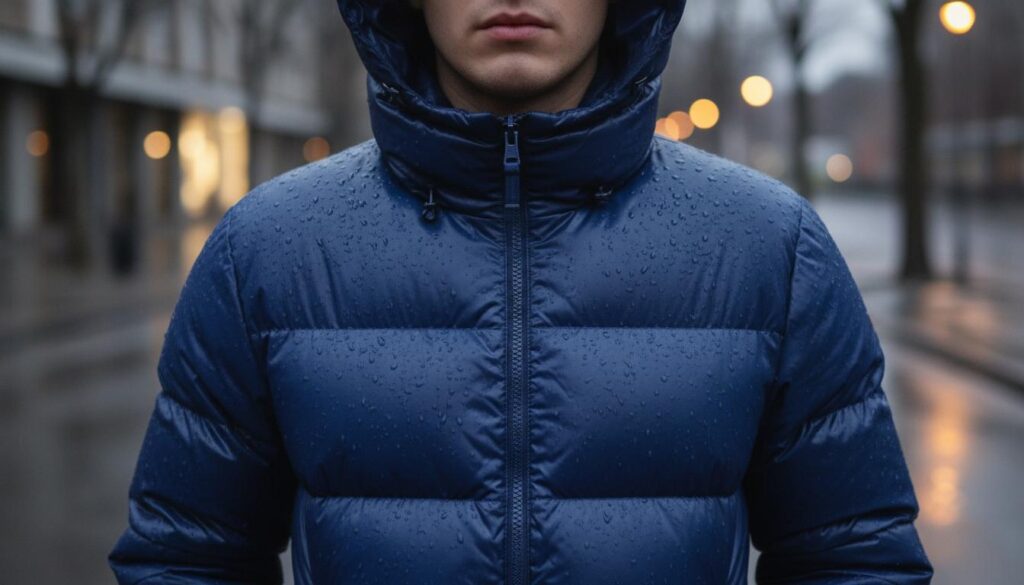
When a southerly bites or a damp Nor’Wester hangs in the air, a good puffer jacket can feel like central heating you can wear. It is light, packs down small, and warms fast. But not all puffers suit New Zealand’s windy coasts, wet bush, or snow days in the Central Plateau.
Below, you’ll find what a puffer jacket is, how it works, the main types, clear pros and cons, and how to choose and care for one that fits Aotearoa’s conditions. Simple, practical, and ready to use.
What is
A puffer jacket is a quilted, insulated jacket designed to trap warm air around your body. Its signature “puff” comes from stitched chambers—called baffles—filled with down (goose or duck) or synthetic fibres. That loft creates insulation without heavy weight.
Unlike a fleece, which is warm but bulky, a puffer jacket delivers far more warmth per gram. Unlike a hard-shell raincoat, it is not primarily built to keep you dry in sustained rain. Many models have water-resistant shells, but they shine as mid-layers or outer layers in cold, dry to drizzly conditions.
Key parts of a puffer jacket
- Shell fabric: Usually nylon or polyester, often with a DWR (durable water repellent) finish to shed light rain.
- Insulation: Either down clusters or synthetic fibres that mimic down’s loft.
- Baffles: Stitching or bonded channels that keep insulation evenly spread.
- Lining: Smooth fabric that helps trap heat and slide over layers.
- Features: Adjustable hood, cuffs, hem drawcord, zip pockets, two-way zip for sitting or belaying.
How it works
The science is simple: the insulation loft traps air, and air is the real insulator. A puffer jacket reduces heat loss from convection (moving air) and conduction (cold surfaces) by surrounding you with still, warm air. The higher the loft and the more insulation inside, the warmer you feel.
Fill power vs fill weight
Fill power measures down quality. It’s the volume one ounce of down occupies, tested under standard conditions. Higher numbers mean better loft and warmth-to-weight.
- 500–650 fill power: Everyday warmth, good value.
- 700–800 fill power: Lighter for the warmth, popular for tramping and travel.
- 850+ fill power: Premium loft, ultralight and very warm for the weight.
Fill weight is the actual amount of insulation inside the jacket (often shown in grams). Warmth comes from both: a 700-fill jacket with 200 g of down will be warmer than an 800-fill jacket with 100 g. For New Zealand winters, most people find mid-weight options (e.g., 120–200 g of down or an equivalent synthetic loft) hit the sweet spot for urban wear and hut trips.
Moisture, wind, and breathability
Down loses loft when wet, though hydrophobic treatments and good shells help. Synthetic insulation keeps more warmth if damp and dries faster. Most puffer jackets are wind-resistant and water-resistant, not fully waterproof. In driving rain or on a soggy Fiordland day, pair a puffer with a waterproof shell. That combo handles windchill on Wellington’s waterfront, frosty mornings in Central Otago, and alpine ridges alike.
Types / examples
Down puffer jackets
Best-in-class warmth-to-weight and compressibility. Ideal for cold, dry conditions, high-altitude tramps, and frosty commutes. Look for Responsible Down Standard (RDS) certification and a snug hood for extra heat retention.
Synthetic puffer jackets
Better in wet and changeable weather. Still warm when damp, easier to wash, and often cheaper. Perfect as a reliable everyday layer in showery cities like Auckland or for coastal walks with sea spray in the mix.
Hybrid puffer jackets
Combine down in the core for maximum warmth and synthetic in shoulders, cuffs, and sides where moisture hits first. A smart choice for mixed conditions and stop–start activity like tramping, bike commuting, or ski touring.
Weight classes and use
- Ultralight/packable: Minimal baffles, high fill power, stuffs into a pocket. Great for on-call warmth in the pack.
- Mid-weight everyday: More insulation and tougher fabric for daily wear and weekend trips.
- Expedition/long belay: Very high loft, longer cut. Suited to sub-zero alpine conditions and long periods of inactivity.
- Urban insulated parka: Longer hem, weather-resistant shell, extra features for commuting and sideline spectating.
Quick comparison
| Type | Best for NZ conditions | Warmth-to-weight | When wet | Care | Typical price |
|---|---|---|---|---|---|
| Down puffer jacket | Cold, dry days; alpine trips; frosty mornings | Excellent | Loft drops when saturated | More care; gentle wash and thorough drying | Higher |
| Synthetic puffer jacket | Showery cities; coastal walks; everyday wear | Good | Keeps warmth if damp | Easy to wash and dry | Lower to mid |
| Hybrid puffer jacket | Mixed weather; active use; bike commuting | Very good | Better than down-only | Moderate | Mid to higher |
Pros and cons
Advantages of a puffer jacket
- High warmth-to-weight: Big heat, small pack size.
- Fast warmth on stop–start days: Great for hut breaks and sideline sport.
- Versatile: Works as outer layer or mid-layer under a rain shell.
- Comfort: Soft, non-restrictive, and easy to wear.
Limitations to consider
- Rain performance: Most are water-resistant, not waterproof.
- Down care: Needs careful washing and thorough drying to restore loft.
- Durability of ultralight shells: Can snag on gorse or rock if not cautious.
- Overheating during high output: Choose breathable designs or layer smart.
How to use or choose
Step-by-step: choosing the right puffer jacket
- Define your main use: urban commute, tramping in the Southern Alps, ski days, or everyday warmth.
- Match insulation to weather: down for cold and dry; synthetic or hybrid for wet, variable conditions.
- Pick warmth level: check both fill power and fill weight. For winter city wear, mid-weight is often enough; for alpine overnights, go warmer.
- Check the shell: look for wind resistance and a DWR finish. For rough use, a higher-denier fabric lasts longer.
- Fit and features: try with a mid-layer underneath. Aim for a close fit without tight spots. Prioritise a hood, hem drawcord, and good cuffs to seal heat.
- Length and zip: a slightly longer back hem blocks drafts; a two-way zip helps when sitting or wearing a harness.
- Ethics and sustainability: look for RDS-certified down, recycled fabrics, and bluesign-approved materials.
- Test movement: reach, twist, and raise your arms. If the hem rides up or the shoulders pinch, size up or try a different cut.
Layering for NZ conditions
- City days: base layer + puffer jacket. Add a light rain shell if wind-driven rain appears.
- Tramping: wicking base + fleece or active mid-layer + puffer in the pack for stops + waterproof shell for rain.
- Alpine/ski: thermal base + breathable mid + warmer puffer for chairlifts or at camp + hard shell for storms.
Care: washing, drying, and storage
Care keeps loft high and extends life. Dirt and oils reduce performance; washing restores it.
- Close zips and Velcro. Use a front-loader on a gentle cycle with a down- or technical-wash detergent.
- Rinse twice to remove soap. Do not use fabric softener or bleach.
- Dry low and slow. For down, tumble dry on low with clean dryer balls to break up clumps.
- Shake and massage clumps during drying until loft returns fully.
- Reapply DWR to the shell when water stops beading (spray-on or wash-in products).
- Store loosely on a hanger or in a breathable bag; avoid long-term compression.
Repairs and longevity
- Small puncture? Use a repair patch or tape to stop feather loss.
- Heavier wearers: choose a tougher shell fabric and reinforced shoulders.
- Zip care: keep grit out; a quick brush extends life.
FAQ
Are puffer jackets good in New Zealand rain?
They handle light showers thanks to a water-resistant shell, but most are not fully waterproof. In steady rain, wear a rain shell over your puffer jacket.
What is fill power, in plain terms?
It’s a quality rating for down loft. Higher fill power means greater warmth for the same weight and better compressibility.
Down vs synthetic: which should I buy?
Choose down for maximum warmth-to-weight in cold, dry conditions; synthetic for wet, variable weather and easier care. Hybrid suits mixed use.
What size should I pick?
Try it over a mid-layer. Aim for a close fit that seals heat without compression. If the hem lifts when you raise your arms, size up or try a different cut.
Can I wear a puffer jacket for skiing or on the mountain?
Yes, as an insulating layer. Pair it with a waterproof-breathable shell for wind and snow protection.
Why are feathers coming out of my puffer?
Light shedding through stitch holes is normal early on. If loss is heavy, patch any punctures and wash/dry to restore loft.
How do I pack a puffer for tramping?
Use the stuff sack or a dry bag. Keep it near the top of your pack so you can put it on quickly at breaks.
Is a long parka better for winter commutes?
For windy cities and sideline sport, a longer hem blocks drafts and adds comfort. It is heavier, but warmer where it counts.
Are there vegan options?
Yes. Synthetic-insulated puffer jackets avoid animal products and perform well in damp conditions.
How often should I wash my puffer jacket?
When loft looks tired or it smells—typically after a season of use. More if you wear it daily. Always dry thoroughly to restore loft.
Final tips for Kiwi buyers
For most New Zealanders, a mid-weight synthetic or hybrid puffer jacket with a solid DWR is the most versatile choice. If you spend time above the bushline in winter or chase frosty dawns, a higher-fill down model earns its place. Whatever you choose, pair it with a proper rain shell when the forecast turns wet, and your puffer will deliver reliable warmth from the bach to the beech forest and beyond.
More Stories
Glenfield Mall: A practical local guide to shops, parking, and smart ways to visit
PB Tech Wellington: A Local’s Guide to Smart Tech Buying in the Capital
Electric toothbrush guide for New Zealand: smart tips to choose, use, and care for your smile