
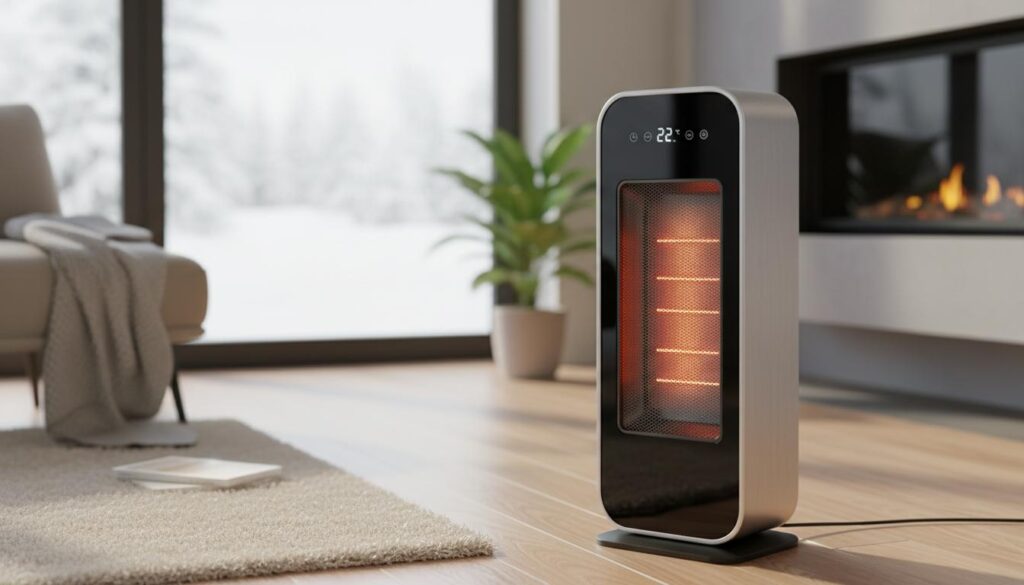
A cold southerly, damp air, and a house that loses heat fast—New Zealand winters can be tough. The right heater makes a huge difference to comfort, health, and your power bill. This guide explains what a heater is, how different technologies work, the best types for Kiwi homes, and how to choose and use one wisely without wasting energy.
What is
A heater is any device that adds heat to an indoor space. In New Zealand homes, that includes electric space heaters, heat pumps, flued gas heaters, wood burners, panel heaters, oil column heaters, bathroom heaters, and outdoor heaters. Some are fixed, some portable. Some dry the air (good for condensation), others add moisture (not so good).
For rentals, the Healthy Homes Standards require a fixed heater in the main living room that can reach at least 18°C. Portable unflued gas heaters and open fires don’t meet this standard. For homeowners and renters alike, safety, running cost, and moisture control should sit at the top of the checklist.
How it works
Electric resistance heating
Most portable electric heaters (fan, oil column, panel, bar) convert electricity directly into heat. Nearly all the power you buy becomes heat, so efficiency at the point of use is ~100%. Running cost is simple: watts × electricity price. If your heater draws 2,000 W (2 kW) and your tariff is $0.30/kWh, that’s about 60 cents per hour.
Heat pumps (air conditioners in heating mode)
A heat pump doesn’t make heat; it moves it. Using a refrigeration cycle, it pulls heat from outdoor air and releases it inside. Because it moves more energy than it consumes, it delivers 2–5 kWh of heat per 1 kWh of electricity (COP 2–5). At $0.30/kWh and COP 3, each kWh of heat costs about $0.10—usually the cheapest way to heat a room on electricity in New Zealand.
Gas heating
Gas heaters burn LPG or natural gas to produce heat. Flued gas heaters vent combustion gases outside and are safer for air quality. Portable unflued LPG heaters exhaust moisture and combustion by-products into the room and need constant ventilation; they’re not recommended for bedrooms or small spaces and are not acceptable as a main heater under Healthy Homes.
Radiant vs convective heat
Fan and convector heaters warm the air (convective). Infrared and radiant panels warm people and objects directly, useful for spot heating or draughty spaces. Many homes benefit from a mix: a heat pump for background warmth plus a small portable heater for quick boosts.
Types / examples
Heat pump (high wall or floor console)
Efficient, fast, dries the air, and doubles as summer cooling. Best as a fixed main heater for living areas. Needs professional installation and correct sizing for the room and climate.
Electric panel heater
Silent, slim, and usually wall-mounted with a thermostat. Good for bedrooms or home offices where steady, gentle heat is enough. Low surface temperature and child-lock options make them family-friendly.
Oil column heater
Stable, quiet heat with good thermal mass—keeps radiating after switch-off. Great for bedrooms and lounges if used with a thermostat and timer. Heavier to move and slower to heat up.
Fan heater
Cheap to buy, quick to warm a small room, but can be noisy and expensive to run for long periods. Best for short bursts of heat in small, occupied spaces.
Infrared/radiant heater
Warms people directly. Handy for spot heating in draughty rooms, workshops, or patios. For outdoor use, look for models designed for exterior conditions; they heat you, not the wind.
Flued gas heater
Combustion gases vent outside. Provides strong, even heat and can be cost-effective where gas supply is available. Requires licensed gasfitter installation and regular servicing.
Portable unflued LPG heater (cabinet style)
Produces moisture and indoor pollutants, needs ventilation, and can increase condensation and mould risk. Avoid for bedrooms and small, closed rooms. Not acceptable as a primary heater in rentals under Healthy Homes.
Wood burner (approved models)
Low running costs if you have dry, seasoned firewood. Provides strong radiant and convective heat. Installation is regulated by councils (emissions and safety clearances) and requires consent and a qualified installer.
Bathroom heater
Usually infrared bars or ceiling units with heat, light, and fan. Must be correctly rated for wet areas and installed by a registered electrician under AS/NZS wiring rules.
Outdoor heater
Gas or electric radiant options. Use only in well-ventilated outdoor spaces. For patios, infrared electric units focus heat on people rather than the air.
Comparison at a glance
| Heater type | Typical use | Upfront cost | Running cost | Efficiency | Moisture/air quality | Notes (NZ context) |
|---|---|---|---|---|---|---|
| Heat pump | Main living areas | Medium–High (installed) | Low per kWh of heat | High (COP 2–5) | Reduces moisture | Meets Healthy Homes fixed heater requirement if correctly sized |
| Panel heater | Bedrooms/offices | Low–Medium | Moderate | ~100% (resistive) | Neutral | Silent; pick a model with thermostat and timer |
| Oil column | Bedrooms/lounges | Low–Medium | Moderate | ~100% | Neutral | Good for steady overnight heat with thermostat |
| Fan heater | Small rooms/short bursts | Low | High if used long hours | ~100% | Neutral | Quick heat; can be noisy |
| Infrared/radiant | Spot heating/garages | Low–Medium | Moderate | ~100% | Neutral | Good in draughty spaces; heats people, not air |
| Flued gas heater | Living areas | Medium–High (installed) | Variable (gas price) | High (direct combustion) | Dry, vented outside | Needs licensed gasfitter; service regularly |
| Unflued LPG heater | Temporary use only | Low | Moderate–High | High heat output | Adds moisture/pollutants | Not suitable as main heater in rentals; ventilate well |
| Wood burner | Whole-home (open plan) | High (installed) | Low if wood is affordable | High | Dry heat; needs dry wood | Council rules apply; consent and certified installation required |
Pros and cons
Heat pump
- Pros: Lowest running cost for most homes, fast heat, dehumidifies, cooling in summer.
- Cons: Higher upfront cost; needs correct sizing and professional installation; performance drops in extreme cold but still efficient in most NZ regions.
Electric panel or oil column heater
- Pros: Quiet, simple, safe with tip-over and overheat protection, easy for renters.
- Cons: Costly to run for large rooms; slower to heat than fan heaters; no cooling.
Fan heater
- Pros: Instant warmth, low purchase price, portable.
- Cons: Noisy, expensive for long use, can stir dust.
Infrared/radiant heater
- Pros: Efficient for spot heating and draughty spaces; outdoor options available.
- Cons: Limited whole-room heating; placement matters.
Flued gas heater
- Pros: Strong, even heat; no moisture indoors; reliable in power cuts (depending on ignition).
- Cons: Installation and servicing costs; gas price volatility; requires flue and compliance.
Unflued LPG heater
- Pros: Portable, strong heat.
- Cons: Adds moisture and pollutants to the room; ventilation required; not suitable for bedrooms; not accepted as primary heating in rentals.
Wood burner
- Pros: Low running cost with seasoned wood; cosy radiant heat; works in outages.
- Cons: Storage and mess; lighting/ash handling; council rules and consent needed; must use dry wood to reduce smoke.
How to use or choose
Step-by-step: choose the right heater for your room
- Measure the room: length × width × ceiling height. Note insulation, glazing, and draughts.
- Set your goal: background heat all day, or quick top-ups? Bedrooms often need gentle, steady heat; living rooms need faster output.
- Pick the technology:
- Main living area: heat pump (best running cost) or approved wood burner.
- Bedroom/home office: panel heater or oil column with thermostat and timer.
- Short, small-space warmth: fan heater.
- Draughty workshop or patio: infrared radiant heater (outdoor-rated for outside use).
- Size the output: as a rough guide, 60–100 W per m² in a well-insulated NZ home; 100–140 W per m² in older, draughty homes or colder regions. For heat pumps, use manufacturer sizing charts or a professional assessment.
- Check controls: look for a thermostat, timer, and child lock. For heat pumps, features like Wi‑Fi scheduling and frost protection help.
- Consider running cost:
- Electric heaters: cost per hour ≈ power (kW) × electricity price ($/kWh).
- Heat pumps: cost per hour ≈ heat output (kW) ÷ COP × electricity price.
- LPG: a 9 kg bottle holds roughly 115 kWh of energy. If a refill is $35–$45, that’s about $0.30–$0.39 per kWh of heat.
- Plan placement and safety: keep clearances, avoid curtains and furniture, and plug portable heaters directly into a wall socket (not a multi-board).
Smart use tips that save money
- Seal the shell first: draught-stopping, ceiling and underfloor insulation, and decent curtains can halve the heat needed.
- Aim for 18–20°C in living areas. Use a thermometer to avoid overheating.
- Use timers: pre-warm before you get up or arrive home; avoid running all day if no one’s there.
- Dehumidify: drier air feels warmer and reduces condensation. Heat pumps help; a dehumidifier can assist in very damp homes.
- Service regularly: heat pump filters need cleaning; gas heaters need professional servicing.
- Check your plan: off-peak or night rates can cut costs; shift some heating to cheaper periods if your home holds heat.
Safety essentials for New Zealand homes
- Use tip-over and overheat protection features on portable electric heaters.
- Keep at least 1 metre clearance from anything that can burn.
- Bathrooms: use only appropriately rated bathroom heaters; have them installed by a registered electrician to NZ/Australian standards.
- Gas: flued models only for long-term indoor heating; install and service via a licensed gasfitter; ensure adequate ventilation as specified.
- Alarms: smoke alarms in living areas and bedrooms; consider a CO alarm if you use any combustion heater (especially attached garages and areas near gas appliances).
FAQ
What is the cheapest heater to run in New Zealand?
A well-sized heat pump is usually the cheapest to run because it moves heat rather than making it. Its effective cost per kWh of heat is often a third of a standard electric heater at typical NZ electricity prices.
Which heater is best for a bedroom?
A panel heater or oil column heater with a thermostat and timer is quiet and steady. Size it for the room and set a modest target temperature (around 18°C). Avoid portable unflued gas heaters in bedrooms.
How big should my heater be?
As a quick estimate: 60–100 W per m² for insulated homes; 100–140 W per m² for older or colder homes. For example, a 12 m² insulated bedroom may need about 800–1,200 W. For heat pumps, use professional sizing—oversized and undersized units both waste energy.
Are portable gas heaters safe?
Portable unflued LPG heaters produce moisture and combustion by-products indoors. They require ventilation and aren’t suitable for bedrooms, bathrooms, or small enclosed spaces. Flued gas heaters vent outside and are safer when installed and serviced correctly.
Do dehumidifiers work like a heater?
Not exactly. A dehumidifier removes moisture and releases a small amount of heat. It can make rooms feel warmer and reduce condensation, but it’s not a substitute for a proper heater.
What heater should renters choose?
A panel or oil column heater with a thermostat is renter-friendly and safe. Ask your landlord about installing a heat pump in the living room to meet Healthy Homes requirements if the property doesn’t already have a fixed, compliant heater.
Can I run a heater from a multi-board or extension cord?
It’s safer to plug high-wattage heaters directly into a wall outlet. If you must use an extension lead, pick a heavy-duty one fully unwound, keep it off carpets, and never daisy-chain.
How do I cut condensation in winter?
Heat and ventilate. Use extract fans when cooking or showering, air the house briefly each day, choose heaters that don’t add moisture (heat pumps, flued gas, electric heaters), and dry clothes outside or with a vented dryer where possible.
Are outdoor heaters efficient?
They’re effective for warming people in a defined area, not the whole outdoors. Infrared electric models focus heat where you sit; gas patio heaters warm a larger area but use more energy.
What features matter on a modern heater?
- Thermostat and timer (or Wi‑Fi scheduling) to avoid overrun.
- Safety features: tip-over switch, overheat cut-out, child lock.
- For heat pumps: demand response capability and good cold-climate performance.
- For electric heaters: clear wattage labeling and an accurate thermostat.
Final word
Pick a heater that suits the room and your routine, size it correctly, control it smartly, and shore up your home’s insulation. In most New Zealand homes, a heat pump as the main heater plus a simple portable unit for quick top-ups hits the sweet spot: warm, dry, and easier on the wallet.
More Stories
Glenfield Mall: A practical local guide to shops, parking, and smart ways to visit
Puffer jacket guide for New Zealand: warmth, weather, and the right fit
PB Tech Wellington: A Local’s Guide to Smart Tech Buying in the Capital