
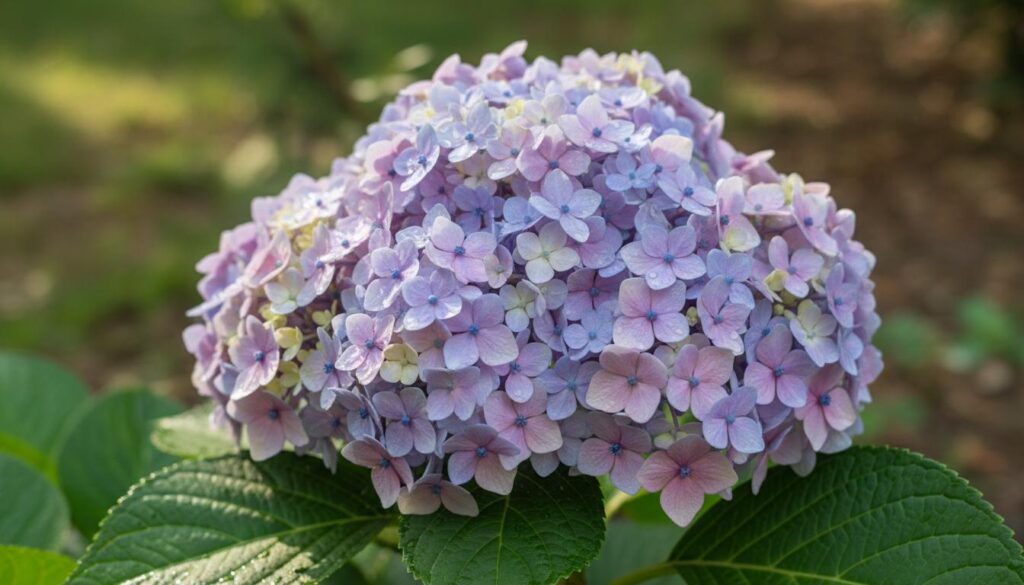
A well-placed hydrangea is hard to ignore. Big, generous blooms. Lush leaves that fill gaps in a flash. And colours that shift with your soil. If you garden in Aotearoa, you can grow hydrangeas from Northland to Southland with the right variety and a few region-savvy tweaks. This guide shows you what a hydrangea is, how it behaves, which types suit New Zealand conditions, and exactly how to plant, prune, and keep it flowering year after year.
Expect practical tips, clear steps, and a simple way to choose the best hydrangea for your space—hedge, pot, or a star turn by the front gate.
What is
Hydrangea is a flowering shrub or climber from the genus Hydrangea, prized for large clusters of blooms that appear from late spring to autumn in New Zealand. Most garden hydrangeas are deciduous, losing their leaves in winter and bursting back into growth in spring.
There are several main species in home gardens:
- Hydrangea macrophylla (mophead and lacecap) – classic round heads or flat lace-like flowers; colours can shift from pink to blue depending on soil pH.
- Hydrangea paniculata (panicle) – cone-shaped blooms, excellent in full sun and cooler areas; reliable flowerer.
- Hydrangea arborescens (smooth) – domed white to lime flowers; tough and cold-hardy.
- Hydrangea quercifolia (oakleaf) – bold, oak-shaped leaves with autumn colour and elegant panicles.
- Hydrangea petiolaris (climbing hydrangea) – a self-clinging climber with lacecap flowers for shade and south-facing walls.
Hydrangea flowers are actually clusters of small fertile florets and showy sterile bracts. The bracts create the “wow,” while fertile florets support pollinators—most notably on lacecap forms.
How it works
Understanding a few quirks makes hydrangea care simple in New Zealand’s climate.
Flowering wood
Hydrangea macrophylla and quercifolia form flower buds on last season’s growth (old wood). If you hard-prune them in winter, you may cut off the coming season’s flowers. Hydrangea paniculata and arborescens bloom on new season’s growth (new wood), so they can be pruned in late winter without losing flowers.
Colour change
Only Hydrangea macrophylla reliably changes colour with soil conditions. Blue tones appear in more acidic soils where aluminium is available to the plant. Pink to red tones show in more alkaline conditions with lower aluminium uptake. In many New Zealand gardens, naturally slightly acidic soils make blue easier than strong pink—though you can influence either direction with soil amendments.
Water and midday wilt
Hydrangea leaves are large and transpire quickly in sun and wind. Midday droop often reflects heat stress rather than dry soil. If plants perk up by evening, watering is fine. In prolonged dry spells or in sandy soils (common in coastal areas), deep, infrequent watering and a thick mulch help keep a hydrangea steady through summer.
Sun and shelter
In the North Island, morning sun with afternoon shade suits most macrophylla hydrangea. In cooler South Island locations, more sun is fine. Coastal gardens should provide shelter from salt-laden wind. High UV means potted hydrangeas may need extra water and afternoon shade in peak summer.
Step-by-step: Planting a hydrangea in New Zealand
- Choose the right spot: morning sun, dappled afternoon shade; more sun is fine in cooler regions.
- Plant in autumn or early spring for fastest establishment.
- Dig a hole twice as wide as the root ball; keep depth the same as the pot level.
- Blend compost into the backfill; avoid high-nitrogen fertiliser at planting.
- Set the hydrangea in the hole so the crown sits level with the soil surface.
- Backfill, firm gently, and water deeply to settle soil around roots.
- Mulch 5–8 cm with bark, leaf mould, or straw, keeping mulch off the stems.
- Water weekly through the first summer, adjusting for rain and soil type.
Types / examples
Below are common hydrangea groups, how they behave here, and standout cultivars often available through New Zealand nurseries.
Hydrangea macrophylla (mophead and lacecap)
- Best for mixed borders, hedges, and containers in part shade.
- Flower colour shifts with soil pH and aluminium availability.
- Reblooming cultivars extend the season if buds are nipped by frost.
- Examples: Endless Summer series (reblooming), Ayesha (mophead with cupped florets), Blue Wave (lacecap), Nikko Blue, Pinkerella.
Hydrangea paniculata (panicle)
- Handles more sun and cooler conditions; great in Canterbury and Otago.
- Large conical blooms age from white to lime and pink.
- Examples: Limelight, Little Lime, Tardiva, Phantom.
Hydrangea arborescens (smooth)
- Cold-hardy, dependable, and easy to prune on new wood.
- Large domes may need staking in wind-prone areas.
- Examples: Annabelle, Incrediball.
Hydrangea quercifolia (oakleaf)
- Textured foliage with rich autumn colour; tolerates drier, brighter sites once established.
- Examples: Snowflake, Alice, Pee Wee (compact).
Hydrangea petiolaris (climbing)
- Self-clinging climber for shade, walls, fences, and trunks of sturdy trees.
- Slow to start, long-lived, and dramatic when mature.
Comparison table: Choosing a hydrangea for New Zealand gardens
| Type | Height x Spread | Flowering (NZ) | Pruning | Sun Tolerance | Colour Shift | Best Fit |
|---|---|---|---|---|---|---|
| H. macrophylla (mophead/lacecap) | 1–2 m x 1–2 m | Nov–Apr | Light trim after bloom; avoid hard winter cuts | Morning sun, afternoon shade | Yes (pink/blue) | Borders, hedges, pots; North Island and coastal with shade |
| H. paniculata (panicle) | 1.5–3 m x 1.5–2.5 m | Dec–Apr | Cut back in late winter (new wood) | Full sun to part sun | No meaningful shift | Cooler regions, full-sun sites, structural accents |
| H. arborescens (smooth) | 1–1.5 m x 1–1.5 m | Dec–Mar | Cut back in late winter (new wood) | Sun to part shade | No meaningful shift | Colder areas, easy maintenance, cottage gardens |
| H. quercifolia (oakleaf) | 1–2.5 m x 1–2.5 m | Dec–Mar | Light prune after flowering (old wood) | Part sun; tolerates more sun once established | No meaningful shift | Feature shrub, autumn interest, free-draining sites |
| H. petiolaris (climbing) | Up to 10–15 m | Nov–Jan | Trim after flowering | Shade to part shade | No | Walls, fences, trunks; cool, moist shade |
Pros and cons
Pros
- Long flowering season in most parts of New Zealand.
- Thrives in part shade where many shrubs struggle.
- Works as hedging, specimen, or in large pots.
- Some types allow easy pruning and reliable bloom on new wood.
- Excellent for fresh or dried cut flowers.
Cons
- Needs regular water in dry, windy, or sandy coastal areas.
- Pruning varies by type; wrong timing can remove flowers.
- Large blooms can flop without shelter or support.
- Leaves and flowers are toxic to pets if eaten.
- Some mopheads offer little nectar; choose lacecaps for pollinators.
How to use or choose
Match the hydrangea to your site
- Hot, sunny, or inland South Island: choose Hydrangea paniculata or arborescens.
- Shaded North Island gardens: macrophylla mopheads or lacecaps.
- Dry, free-draining spots with autumn colour: oakleaf hydrangea.
- Shaded walls or trunks: climbing hydrangea (petiolaris).
Pick for colour and style
- Blue or pink drama: macrophylla varieties responsive to soil pH.
- Elegant whites and limes that blush: paniculata and arborescens.
- Naturalistic look and pollinators: lacecap forms over mopheads.
Container hydrangea tips
- Use a large pot (at least 40 cm diameter) with quality potting mix.
- Water more often in summer; pots dry faster in New Zealand’s wind and UV.
- Feed with controlled‑release fertiliser in early spring and again in early summer.
- Shift to afternoon shade during heatwaves to prevent leaf scorch.
Feeding and soil
- Apply a balanced, slow‑release fertiliser in late winter or early spring; avoid high nitrogen that pushes leaves over flowers.
- Mulch annually to hold moisture and improve soil.
- For blue macrophylla blooms, keep soil slightly acidic and ensure aluminium availability.
Step-by-step: Pruning by type
- Macrophylla (old wood): after flowering, remove spent heads to a pair of fat buds; in late winter, take out one or two of the oldest stems at the base for shape. Avoid hard pruning.
- Paniculata and arborescens (new wood): in late winter, cut stems back by a third to a half to a strong pair of buds.
- Oakleaf (old wood): light trim after flowering; remove dead or crossing wood in winter.
- Climbing hydrangea: trim to size after flowering; train new shoots along supports.
Changing hydrangea colour (macrophylla only)
- For blue: maintain acidic soil (target pH ~5.0–5.5) and supply aluminium via approved soil products. Avoid liming.
- For pink: raise pH slightly (around 6.0–6.5) with garden lime and avoid aluminium sources.
- Change is gradual; expect results over one or two seasons.
Pests and problems in NZ gardens
- Hydrangea scale and aphids: control with horticultural oil or insecticidal soap; repeat as directed.
- Powdery mildew and leaf spot: improve airflow, water at the base, and remove affected leaves; use approved fungicides if needed.
- Frosted buds (South Island and high country): cover plants on frost nights or grow reblooming macrophylla types.
FAQ
When is the best time to plant a hydrangea in New Zealand?
Plant in autumn (March–May) or early spring (September–October) so roots establish before summer heat or winter cold.
Can a hydrangea grow in full sun?
Paniculata and arborescens handle full sun in most regions if watered. Macrophylla prefers morning sun and afternoon shade, especially in warmer North Island summers.
How do I make my hydrangea blue?
With macrophylla types, keep soil acidic and ensure aluminium availability. Use products formulated for blue hydrangeas and avoid adding lime. Expect change over a season or two.
How do I keep hydrangea flowers from flopping?
Plant where they get some wind shelter, prune correctly by type, and avoid high‑nitrogen fertiliser. Staking helps arborescens during storms.
Is hydrangea poisonous to pets?
Yes. All parts contain compounds that can be toxic if eaten. Keep pets from chewing stems or flowers and seek veterinary advice if ingestion is suspected.
Why does my hydrangea wilt at midday even when soil is moist?
Large leaves lose water faster than roots can replace it in heat or wind. If the plant recovers by evening, it’s normal. Add mulch and provide afternoon shade on hot days.
When should I prune in New Zealand?
Macrophylla and oakleaf: trim after flowering and tidy in late winter without hard cuts. Paniculata and arborescens: prune back in late winter before spring growth.
Can I grow a hydrangea in a pot?
Yes. Choose a large container with good drainage, water more often in summer, and feed lightly in spring and early summer.
Do hydrangeas attract bees?
Lacecap hydrangeas provide more accessible nectar and pollen than mopheads. For pollinator value, choose lacecap forms.
How do I dry hydrangea flowers?
Cut mature blooms late in the season when they feel papery. Stand stems in a few centimetres of water and let them air‑dry indoors out of direct sun.
Will hydrangea roots damage pipes or foundations?
Hydrangea roots are generally non‑invasive compared with trees. Give shrubs normal garden spacing and avoid planting directly over services.
What’s the easiest hydrangea for a beginner?
Hydrangea paniculata is very forgiving: sun‑tolerant, pruned on new wood, and reliably floriferous across much of New Zealand.
How often should I fertilise?
Once in late winter or early spring with a balanced slow‑release fertiliser is usually enough. A light top‑up in early summer helps potted plants.
Will a hydrangea grow by the coast?
Yes, with wind shelter and good watering. Salt spray can scorch leaves; plant behind a fence or hedge and mulch well.
How it works
Quick recap for success
- Pick the right hydrangea for your light and region.
- Plant at the right time, water deeply, and mulch.
- Prune by type to protect next season’s flowers.
- Adjust soil only if you want strong pink or blue macrophylla blooms.
Get these basics right and your hydrangea will repay you with big, reliable colour through a long New Zealand summer—without fuss.
More Stories
Glenfield Mall: A practical local guide to shops, parking, and smart ways to visit
Puffer jacket guide for New Zealand: warmth, weather, and the right fit
PB Tech Wellington: A Local’s Guide to Smart Tech Buying in the Capital