
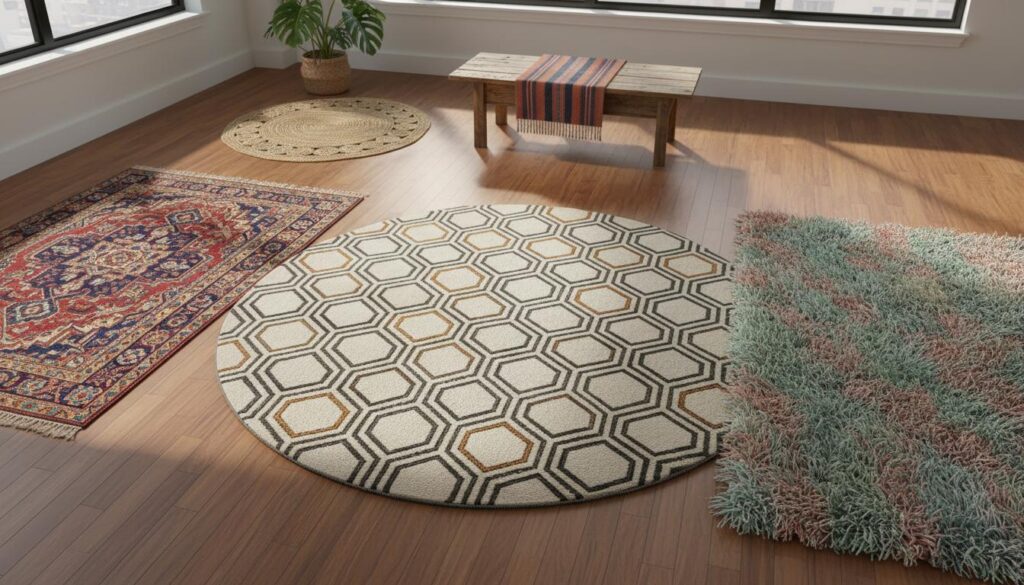
Wooden floors feel great in summer, but when a southerly bites, bare boards can feel brutal. Rugs solve that instantly. They add warmth without a renovation, soften echoes in open-plan spaces, and pull a room together faster than a new sofa. This guide explains what rugs are, how they work, the main types you’ll see in NZ stores, and how to choose the right one for your place—whether you live in a central city apartment, a coastal bach, or a chilly villa with draughty floorboards.
What is
A rug is a movable floor covering, smaller than wall-to-wall carpet and not fixed to the floor. Unlike fitted carpet, rugs sit on top of hard floors—or even on top of carpet—to add comfort, colour, and function. They come in different shapes, fibres, and constructions, from hand-knotted wool heirlooms to machine-made polypropylene outdoor pieces.
Most rugs have three parts:
- Pile or surface: the fibres you see and feel (wool, cotton, jute, nylon, etc.).
- Foundation: the warp and weft yarns or a primary backing that holds the pile.
- Backing/finish: latex, cotton, or woven backings; edges are bound or fringed to stop fraying.
An underlay or rug pad often sits beneath. It keeps rugs from slipping, evens out minor floor irregularities, and adds cushioning—handy on polished concrete or tiles common in NZ builds.
How it works
Rugs improve the way a room feels and functions through a few simple mechanics:
- Thermal comfort: Fibres trap air, adding a layer of insulation underfoot. You won’t get the R-value of carpet, but a dense wool rug can noticeably cut that “cold shock” on winter mornings.
- Acoustic control: Soft surfaces absorb sound waves. A rug tamps down echo in high-ceiling or open-plan areas so conversations don’t bounce around.
- Traction and safety: Textured pile offers grip on smooth floors and reduces slip risk, especially with a proper underlay.
- Zoning: One large rug visually anchors a seating area or dining space without walls. That’s gold in compact apartments and open living rooms.
- Protection: A rug takes the scratches and sun where a floor otherwise would. It can be cheaper to replace a rug than refinish boards.
Construction affects performance. Flatweaves are thin and easy to clean; shag piles are plush but catch crumbs; hand-knotted rugs are dense and durable; hand-tufted styles are cushy but may shed at first, especially with wool.
Types / examples
By material
- Wool: Naturally resilient, springy underfoot, and naturally flame resistant. Great in NZ’s damp winters—wool copes well with humidity and helps regulate moisture.
- Polypropylene: Tough, colourfast, and often used for indoor–outdoor rugs. Resists mildew—useful in coastal or high-humidity spots.
- Nylon: Hard-wearing synthetic with good resilience and stain resistance. Popular for busy family zones.
- Polyester/Triexta: Soft feel and strong colour clarity; better in low- to medium-traffic spaces.
- Cotton: Light, casual, and often washable, but less durable. Suits bedrooms or low-traffic areas.
- Jute/Sisal/Seagrass: Natural plant fibres with a coastal look. Jute is softer; sisal and seagrass are tougher but don’t love spills or constant wet.
- Viscose/Tencel: Silky sheen for a luxe look. Beautiful, but sensitive to water and crushing—best for low-traffic, dry rooms.
By construction
- Hand-knotted: Every knot is tied to the foundation. Extremely durable; heirloom-level.
- Hand-tufted: Yarn punched into a canvas and latex-backed. Thick and comfy; may shed early on.
- Flatweave (Kilim/Dhurrie): No pile, reversible, and easy to shake out. Excellent for warm climates and under dining tables.
- Machine-made: Precise patterns, consistent quality, and value pricing. Wide range of looks.
- Shag/High pile: Deep, plush feel. Cosy in bedrooms; high maintenance in dining rooms.
By style
- Traditional (Persian, Oriental): Intricate patterns that hide dirt well and add depth to neutral rooms.
- Modern/Abstract: Bold shapes, colour blocks, and texture for contemporary homes.
- Moroccan/Berber: Cream bases with black or coloured lines; soft pile and relaxed look.
- Coastal/Natural: Jute, sisal, and seagrass that suit beach houses and indoor–outdoor flow.
Common sizes in NZ homes
- Living: 200 x 300 cm or 250 x 350 cm anchors a lounge; 160 x 230 cm suits smaller apartments.
- Dining: Leave ~60–70 cm beyond the table on all sides so chairs stay on the rug when pulled out.
- Bedroom: 200 x 300 cm under a queen (horizontal) gives side warmth; or two 70 x 200 cm runners.
- Hallway: Runners 70–90 cm wide with 5–10 cm clearance from skirting.
Material comparison
| Material | Feel | Durability | Cleaning | Moisture/UV | Best use |
|---|---|---|---|---|---|
| Wool | Soft, springy | High | Vacuum; spot clean; professional wash as needed | Handles humidity; moderate UV fade resistance | Living rooms, bedrooms, throughout cooler regions |
| Polypropylene | Medium-soft | High | Easy; many are hose-down suitable (check label) | Excellent moisture and UV resistance | Indoor–outdoor, kitchens, rentals, kids’ zones |
| Cotton | Soft, light | Low–Medium | Often machine-washable (size permitting) | OK indoors; can fade in strong sun | Bedrooms, low-traffic spaces |
| Jute/Sisal | Textured, natural | Medium–High (dry use) | Vacuum; avoid wet cleaning | Poor with moisture; can mould if soaked | Living rooms, covered verandas (dry only) |
| Nylon | Medium | High | Vacuum; spot clean with care | Good moisture resistance; moderate UV | Busy family areas, hallways |
Pros and cons
Pros
- Instant comfort and warmth without installing carpet.
- Better acoustics in echo-prone, open spaces.
- Protects floors from scratches and chair legs.
- Flexible: move, rotate, or swap styles seasonally.
- Design power: ties colours together and defines zones.
- Rental-friendly: no tools, no landlord approvals.
Cons
- Can slip without a proper underlay.
- Wrong size can make a room feel smaller or messy.
- Some fibres shed initially (especially new wool).
- Natural plant fibres dislike spills and high moisture.
- High-pile rugs trap crumbs and need more care.
How to use or choose
Step-by-step: choosing the right rug
- Measure the room: Sketch your layout and note door swings and vents. Mark target rug size with masking tape to visualise.
- Pick the purpose: Warmth, noise control, child play area, or purely style? Purpose dictates fibre and pile.
- Select a size: Aim for front legs of sofas on the rug, all chair legs on in dining, and generous bedside overhang in bedrooms.
- Choose material:
- Cold, damp winters: wool or dense synthetics.
- Sunny, coastal, or indoor–outdoor: polypropylene.
- Casual, low-traffic: cotton or flatweave.
- Decide on construction: Flatweave for easy cleaning, tufted for comfort, shag for plush bedrooms, hand-knotted for longevity.
- Check colour and pattern: Darker or patterned rugs hide dirt. Consider NZ’s strong UV—very bright dyes can fade in direct sun.
- Add an underlay: Choose non-slip pads suited to timber, laminate, tiles, or carpet-to-rug use.
- Plan maintenance: Can you vacuum weekly? Any pets? Pick fibres that match your habits.
- Confirm fit at home: If possible, trial a rug or use a flexible return policy.
Room-by-room tips
- Living room: Size up. A too-small rug floats awkwardly. Ideally, at least the front legs of seating sit on the rug.
- Dining room: Allow ~60–70 cm beyond the table so chairs don’t catch. Choose low pile or flatweave for easy crumb control.
- Bedroom: Go plush or thick underlay for morning comfort. If the room is narrow, use two runners instead of one large rug.
- Hallway: Use runners with a sturdy underlay. Patterns hide footprints and everyday dust.
- Kitchen: Small, washable runners or indoor–outdoor rugs are practical near the sink or island.
- Outdoor/Deck: Only use rugs labelled outdoor or polypropylene. Bring them in during prolonged rain to extend life.
Care basics for New Zealand conditions
- Vacuum weekly; more often for shag or heavy traffic. Use a suction-only head for delicate weaves.
- Rotate every 3–6 months to even out sun fade and wear. NZ’s UV is strong, even in winter.
- Blot spills immediately—don’t rub. Use a white cloth and a mild solution approved for the fibre.
- Air rugs on a dry, breezy day to reduce mustiness in damp climates. Avoid direct harsh midday sun for long periods.
- Use door mats to cut grit that can abrade fibres.
- Consider professional cleaning for wool every 12–24 months, depending on use.
Quick size guide
| Space | Common rug sizes | Placement tip |
|---|---|---|
| 3-seater sofa + chairs | 200 x 300 cm, 250 x 350 cm | Front legs on rug for all seating |
| Dining table (6 chairs) | 200 x 300 cm | Allow 60–70 cm beyond table edge |
| Queen bed | 200 x 300 cm or two 70 x 200 cm runners | Extend rug ~50–70 cm on sides |
| Hallway | 70–90 cm x length of hallway | Leave 5–10 cm from skirting |
FAQ
What’s the difference between rugs and carpets?
Carpet is fixed wall-to-wall. Rugs are movable and cover only part of a floor. Rugs let you add warmth and style without installation or landlord approval.
Are wool rugs good for New Zealand’s climate?
Yes. Wool is resilient, naturally flame resistant, and manages humidity well. It feels warm in winter and comfortable in summer. Expect some initial shedding; it settles with regular vacuuming.
Do I need an underlay?
Almost always. Underlays stop slipping, protect floors, and add cushioning. Choose a type matched to your flooring—timber-safe formulations avoid staining or residue.
What rug is best for homes with pets and kids?
Flatweaves or low-pile synthetics (polypropylene, nylon) are practical. Patterns camouflage spills. Avoid viscose and high shags in dining or play zones.
How do I clean spills?
Blot immediately with a clean white cloth. Use cool water first. If needed, apply a fibre-safe cleaner and blot again. For wool, avoid high-alkaline products. When in doubt, call a professional cleaner.
Will rugs fade in New Zealand sun?
Over time, yes—NZ UV levels are high. Rotate your rug, use sheer curtains during peak sun, and choose UV-stable materials for bright spots, such as polypropylene or darker, patterned designs.
Can I put a rug on carpet?
Yes. Use a rug-to-carpet underlay to stop creep and waves. Choose a heavier rug or a flatweave to avoid a lumpy feel.
What size rug should I get for a small living room?
Often 160 x 230 cm works, but size up if you can. A larger rug that connects the seating looks better than a small “floating” mat.
Are jute and sisal rugs durable?
They’re tough under dry conditions and great for texture. They don’t like spills, and jute especially can stain with water. Keep them away from bathrooms or damp entries.
Do rugs improve insulation?
They help by trapping air and blocking draughts at floor level. You won’t replace full insulation, but you will notice warmer feet and less echo.
Is off-gassing a concern?
Some synthetic backings may have a light odour when new. Air the rug out for a day or two. Natural fibres like wool and jute usually have minimal chemical smell.
How often should I replace a rug?
Quality wool or hand-knotted rugs can last decades. Machine-made synthetics often last 5–10 years depending on traffic and care. Rotate, clean, and use underlay to extend life.
What about moths?
Wool can attract carpet moths in dark, undisturbed areas. Regular vacuuming, sunlight exposure, and occasional professional cleaning keep them at bay. Store rugs clean and dry with natural repellents if packed away.
Can I use a rug outdoors?
Only if it’s labelled for outdoor use, typically polypropylene. Place on a dry, well-drained surface, and bring it under cover during long wet spells to prolong life.
Rugs are simple tools that make New Zealand homes warmer, quieter, and more inviting. Choose the right fibre and size, add a decent underlay, and care for it with routine vacuuming and rotation. The result is comfort you can feel every day, from frosty mornings to long summer evenings with the deck doors open.
More Stories
Glenfield Mall: A practical local guide to shops, parking, and smart ways to visit
Puffer jacket guide for New Zealand: warmth, weather, and the right fit
PB Tech Wellington: A Local’s Guide to Smart Tech Buying in the Capital