
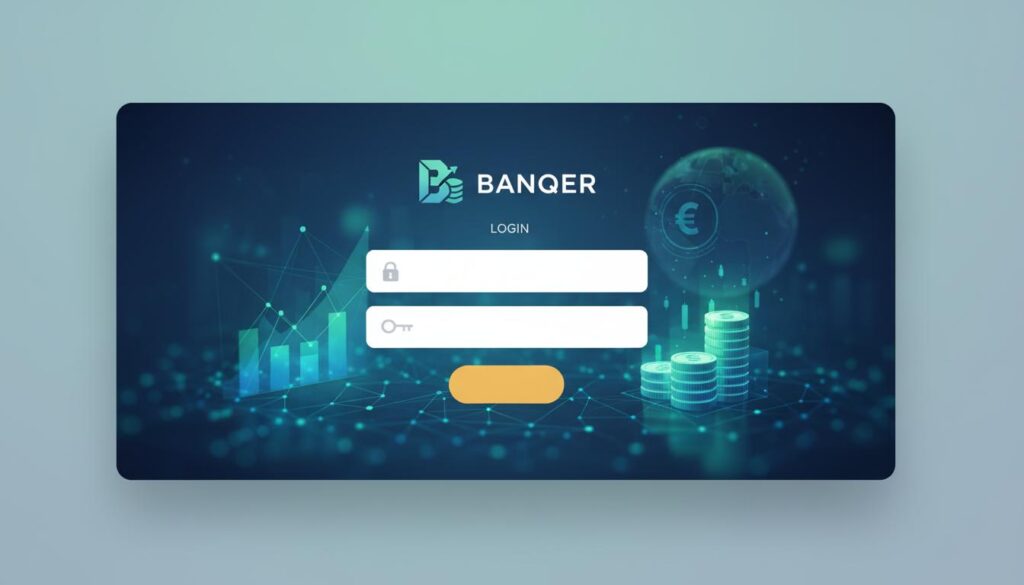
When a class wants to jump into a money-smart lesson, nothing should get in the way—least of all a tricky sign-in screen. This guide walks New Zealand teachers and students through the banqer login process, explains what Banqer is, how it works in Kiwi classrooms, the types of accounts you’ll see, the pros and cons, and practical steps to log in smoothly every time.
What is
Banqer is a New Zealand-made financial education platform used in primary and secondary schools. It simulates real-life money decisions—earning, spending, saving, budgeting, and managing risk—so students can practise safely before they do it in the real world. A banqer login gives each user a private dashboard: teachers run the classroom economy and track progress; students manage their money within the simulation.
Banqer login at a glance
- Used by teachers and students across Aotearoa to access Banqer Primary or Banqer High
- Secure, individual accounts so progress is saved and tracked
- Works on common browsers and school devices; internet connection required
- Password reset and class-join options supported by your school’s setup
How it works
Banqer runs as a web app. After a banqer login, you land on a role-specific dashboard. Teachers configure modules—like income, expenses, saving goals, and risk scenarios—and set up the class. Students then experience a live “classroom economy”: they earn, pay bills, budget, insure, and plan ahead, all inside the platform.
Student sign-in flow
Students use the banqer login to reach their personal account. Depending on how the school set things up, they’ll enter a school email and password, or join with a class code during first-time setup and then sign in as usual later. After login, they see balances, tasks, goals, and any teacher announcements.
Teacher sign-in flow
Teachers log in to create classes, invite students, enable modules, and monitor learning. The teacher dashboard shows student activity, progress, and settings for rewards, fines, bills, or events the class will encounter in the simulation.
Security basics
- Individual credentials: Each user has their own secure banqer login.
- School-managed access: Your school controls who gets accounts and how classes are joined.
- Single sign-on (if enabled): Some schools connect Banqer to their existing Google or Microsoft systems for simpler sign-in.
- Browser sessions: Staying signed in works via standard cookies; log out on shared devices.
Types / examples
Banqer offers versions tailored to age and stage. The login experience is similar, but the content and controls differ so learning fits your level.
| Banqer version | Who uses it | Focus areas | Login experience | Good for |
|---|---|---|---|---|
| Banqer Primary | Years 3–8 (guided by teachers) | Classroom income, bills, saving goals, basic risk and rewards | Simple student dashboards, teacher-created classes | Foundational money habits and everyday choices |
| Banqer High | Years 9–13 | Budgeting, income and tax basics, credit and debt concepts, saving and investing fundamentals | More advanced scenarios and teacher controls | Realistic decisions that mirror life after school |
Examples of classroom use
- A Year 5 class logs in on Chromebooks, checks their weekly “income,” pays a class bill, and puts the rest into a saving goal.
- A Year 11 economics class signs in, compares budgets, and adjusts spending to handle a simulated surprise expense.
- Teachers log in to review progress and tweak settings—like increasing “rent” on classroom desks to spark discussion about fixed costs.
Pros and cons
Pros
- Practical learning: Students get hands-on practice with money decisions in a safe environment.
- NZ context: Concepts match life in Aotearoa, making lessons relatable.
- Teacher control: Easy class setup, configurable modules, clear reporting.
- Accessible: Web-based banqer login works on common school devices.
Cons
- Setup time: Teachers need a little prep to plan settings and modules.
- Device dependence: Reliable internet and enough devices are needed for smooth sessions.
- Consistency matters: The simulation is most effective when logins and lessons happen regularly.
How to use or choose
Step-by-step: banqer login for students
- Open a modern browser (Chrome, Edge, Safari) on your device.
- Go to the official Banqer website and select Log in.
- Enter your school email and password, or use your class code if it’s your first time (follow your teacher’s instructions).
- If your school uses single sign-on, choose the relevant option and sign in with your school account.
- Confirm your name and class when prompted, then proceed to your dashboard.
- Tip: If you’re using a shared device, always log out when finished.
- Tip: Save your password in a secure manager if your school allows it; do not write it on your desk or device.
Step-by-step: banqer login for teachers
- From the Banqer homepage, select Log in and choose your teacher option.
- Enter your school email and password. If your school has enabled SSO, sign in using your school’s provider.
- Create or open your class from the dashboard.
- Invite students by sharing the join method your school uses (class code, email invite, or roster sync if available).
- Enable modules you plan to run this term and set starting balances, incomes, and rules.
- Tip: Test the student view with a demo account so you know what learners will see after their banqer login.
Choosing the right Banqer product
- Primary vs High: Match the platform to year levels and learning outcomes.
- Curriculum goals: Pick modules that line up with your achievement objectives (e.g., budgeting before credit concepts).
- Timetable fit: Short weekly sessions tend to beat one-off marathons; consistent logins build habits.
- Access model: Confirm with your school whether students will use class codes, email invites, or SSO.
Troubleshooting common banqer login issues
- Wrong account: Make sure you’re using your school email and not a personal one.
- Forgotten password: Use the password reset option on the login screen; check your inbox and spam folder for the reset email.
- Class code not working: Confirm the code with your teacher; codes may be class-specific or time-limited.
- Browser hiccups: Update your browser, clear cache, and enable cookies. Incognito mode can block saved sessions.
- Device or filter blocks: If a school filter is strict, ask IT to allow the Banqer domain. Try another device if needed.
- SSO loop: If single sign-on keeps redirecting, sign out of all accounts in your browser, then log in fresh to your school account and try again.
- Time-out: Sessions expire for security. If you’re kicked out after being idle, just repeat your banqer login.
FAQ
Where do I find the official banqer login page?
Go to the official Banqer website and choose Log in from the homepage. Avoid third-party links—bookmark the official page your teacher or school provides.
Is there a different banqer login for Banqer Primary and Banqer High?
The login entry point is similar, but once you sign in you’ll be taken to either Banqer Primary or Banqer High based on your account and class.
Can I sign in from home?
Yes. Banqer works anywhere with internet access. Use your usual banqer login on a home device and the same browser credentials you use at school.
I forgot my password. What should I do?
Use the Forgot password link on the login screen and check your email for reset instructions. If you don’t receive an email, ask your teacher or school IT to confirm your registered address.
My class code doesn’t work. How can I fix it?
Codes can be case-sensitive or expire if the class setup changes. Verify the exact code with your teacher and make sure you’re entering it on the correct join screen.
Does Banqer support single sign-on?
Some schools enable SSO through their existing systems. If your login screen shows options to sign in with your school’s provider, follow that path; otherwise use your email and password or class code as instructed.
Why do I get logged out during a session?
For security, inactive sessions time out. Save your work regularly and log back in if you’ve been idle. On shared devices, always log out when finished.
Is there a mobile app for banqer login?
Banqer runs in a web browser and works on laptops, desktops, and many tablets. If you’re using a tablet, keep your browser updated for the best experience.
How do teachers add students after setting up a class?
From the teacher dashboard, open the class and use the Add or Invite option. Share the join method (class code or invite) your school uses, then students complete their banqer login and appear in your roster.
Who can help if I still can’t log in?
First, contact your teacher or your school’s IT team—they can verify your account and class details. If the issue persists, your school can reach out to Banqer support with the error message, browser version, and device type.
What browsers work best for banqer login?
Current versions of Chrome, Edge, and Safari are recommended. Enable cookies and allow pop-ups for the site if a feature needs it.
Is my data safe when I log in?
Banqer uses secure sign-in and protects individual accounts. Follow your school’s digital safety policies, keep your password private, and log out on shared devices.
Final tips for smooth sessions
- Bookmark the official banqer login page your school provides.
- Keep your browser up to date and test logins before a new unit begins.
- Teachers: run a two-minute login drill with students in week one to prevent delays later.
- Students: if something looks odd after login, refresh once before asking for help—it solves many small glitches.
With a clear plan and a reliable banqer login routine, New Zealand classrooms can focus on what matters: confident, practical financial learning that sticks.
More Stories
Glenfield Mall: A practical local guide to shops, parking, and smart ways to visit
Puffer jacket guide for New Zealand: warmth, weather, and the right fit
PB Tech Wellington: A Local’s Guide to Smart Tech Buying in the Capital